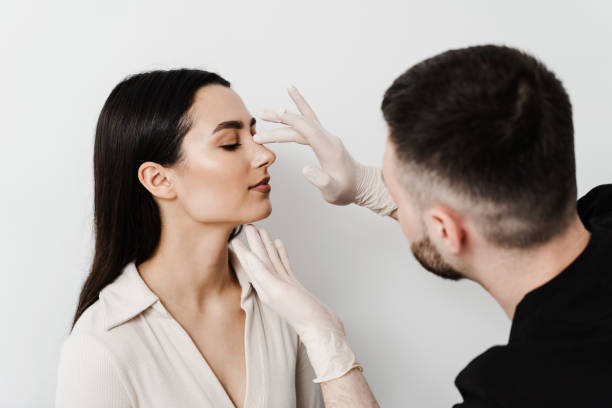
Swelling is one of the most noticeable parts of rhinoplasty recovery and can temporarily change the appearance of the nose. Although patients may be eager to see their new nasal shape, healing takes time as the skin, cartilage, bone, and soft tissues gradually settle. Understanding how swelling develops and how the nose heals can help patients approach rhinoplasty riyadh price with realistic expectations.
Why Does Swelling Occur After Rhinoplasty?
Swelling is the body's natural response to surgical tissue manipulation. During rhinoplasty, the nasal bones, cartilage, skin, and surrounding tissues may be reshaped or repositioned, leading to temporary inflammation.
The amount of swelling varies from person to person. The extent of surgery, surgical technique, skin thickness, individual healing response, and whether the procedure involves functional correction can all influence postoperative swelling.
Swelling During the First Few Days
Swelling is often most noticeable during the early recovery period. Bruising may also appear around the nose and underneath the eyes, while congestion can make breathing through the nose temporarily uncomfortable.
Patients should follow the specific postoperative instructions provided by their surgeon. Resting with the head elevated may be recommended, and the nose should be protected from pressure or accidental impact.
Swelling During the First Week
During the first week, the nose may appear larger or less defined than expected. A splint or other support may be used depending on the surgical approach and treatment plan.
A follow-up appointment is commonly part of postoperative care. The medical team can assess healing and provide further instructions about nasal care, activity, and protection.
Why the Nose May Look Uneven
Temporary unevenness can occur as swelling affects different areas of the nose at different rates. One side may appear more swollen than the other, particularly during the early stages of healing.
This does not necessarily indicate a problem with the surgical result. As inflammation decreases and tissues settle, the appearance can change considerably.
Swelling and Skin Thickness
Skin thickness can influence the way swelling appears and how quickly nasal contours become visible. Patients with thicker skin may experience more prolonged soft-tissue swelling, while thinner skin may reveal structural changes more readily.
Because every patient has different skin characteristics, recovery cannot be predicted solely by comparing one person's experience with another.
How the Nose Heals Over Time
Rhinoplasty healing occurs progressively. Initial swelling and bruising generally improve as the early recovery period passes, but deeper tissue swelling can remain while the nasal framework continues to settle.
The bridge and tip may gradually become more defined. Changes are often subtle, and the developing appearance can continue to evolve for an extended period.
The Nasal Tip May Take Longer to Settle
The tip of the nose can be particularly sensitive to postoperative swelling. Patients may notice that the tip appears fuller, firmer, or less defined than expected during the early healing stages.
Tip swelling can take longer to resolve than some other areas of the nose. Patience is therefore especially important when assessing the developing outcome of Rhinoplasty in Riyadh.
Factors That Can Influence Healing
Several factors may affect individual recovery, including:
- The extent and complexity of surgery
- Open or closed surgical approach
- Amount of bone and cartilage reshaping
- Skin thickness and elasticity
- Individual healing response
- Previous nasal surgery or trauma
- Compliance with postoperative instructions
Revision rhinoplasty may involve additional healing considerations because scar tissue and changes from previous surgery can affect the nasal framework.
How to Support the Healing Process
Following your surgeon's instructions is one of the most important ways to support recovery. Patients may be advised to keep the head elevated, avoid pressure on the nose, restrict strenuous activity, and attend scheduled follow-up appointments.
Protecting the nose from accidental impact is particularly important while the nasal structures are healing. Patients should also follow any medication and nasal-care instructions provided by their medical team.
What About Exercise?
Physical activity may need to be limited during the early recovery period. Strenuous exercise can increase blood flow and may contribute to increased swelling or discomfort.
Activities that create a risk of impact to the nose, such as contact sports, may require longer restrictions. The timing for returning to exercise should be determined by the surgeon based on individual healing.
Sun Exposure and Healing Skin
The skin around the nose may be sensitive during recovery. Excessive sun exposure can irritate healing skin and may affect the appearance of postoperative areas.
Patients should follow their surgeon's recommendations regarding sun protection and skincare products. New or irritating products should not be applied to healing areas without professional guidance.
When Does Swelling Become Concerning?
Some swelling, bruising, congestion, and tenderness are expected after rhinoplasty. However, symptoms that are severe, worsening unexpectedly, or significantly different from the postoperative instructions should be discussed with the surgical team.
Patients should not attempt to diagnose concerning symptoms themselves. Prompt communication with the medical team allows potential problems to be assessed appropriately.
Why Patience Matters
One of the biggest challenges after rhinoplasty is waiting for the nose to settle. The early appearance can be misleading because swelling may hide subtle structural refinements.
Rhinoplasty in Riyadh results develop gradually, and the pace of healing differs between individuals. Avoiding premature judgments can help patients maintain realistic expectations throughout the recovery process.
Follow-Up Care Is Important
Postoperative appointments allow the surgeon to monitor healing and address questions or concerns. The medical team can determine whether the recovery is progressing appropriately and provide additional instructions when needed.
Regular follow-up is particularly valuable when swelling persists or when the patient has questions about returning to normal activities.
Book Your Appointment at Royal Clinic Saudia
If you are considering rhinoplasty, Royal Clinic Saudia can provide a personalized consultation to discuss your nasal concerns, surgical goals, expected recovery, and aftercare requirements. Understanding swelling and healing before treatment can help you prepare realistically for Rhinoplasty in Riyadh.
FAQs:
Is swelling normal after rhinoplasty?
Yes. Swelling is a common part of the body's healing response after nasal surgery.
Why does the nose look uneven after rhinoplasty?
Uneven swelling can temporarily make one side appear different from the other during healing.
Does the nasal tip take longer to heal?
The tip can retain swelling longer than some other areas, so its final definition may develop gradually.
How can I protect my nose while it heals?
Follow your surgeon's instructions, avoid pressure or impact, and attend recommended follow-up appointments.