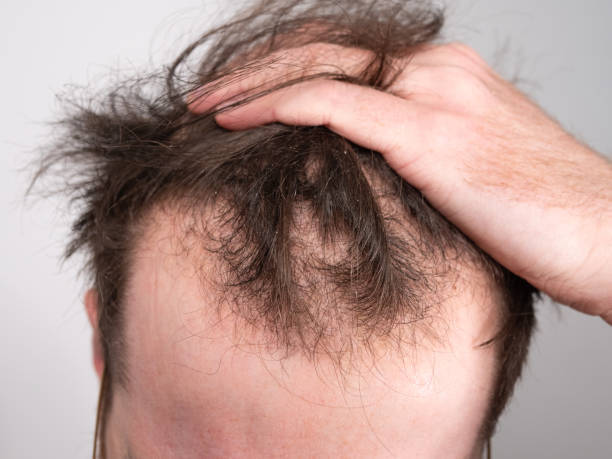
Hair thinning and excessive shedding can affect confidence and make everyday hair care feel challenging. Preparing properly for a professional consultation can help you understand the possible causes of hair loss and explore suitable treatment options. Whether you are experiencing gradual thinning, a receding hairline, or noticeable shedding, learning what to expect can make the process easier. A personalized hair treatment riyadh plan begins with understanding your scalp condition, medical history, and hair growth concerns so that treatment recommendations can be tailored to your needs.
Understand the Possible Causes of Hair Loss
Before attending a consultation, it is helpful to consider when your hair loss began and how it has changed over time. Hair loss can develop because of hereditary factors, hormonal changes, nutritional deficiencies, stress, certain medications, autoimmune conditions, or scalp inflammation. Identifying the potential cause helps a professional recommend an appropriate approach rather than relying on a one-size-fits-all solution.
Think about whether your hair is thinning across the scalp, receding around the temples, or falling out in distinct patches. You may also notice increased shedding after an illness, major life event, or significant dietary change. These details can help guide the assessment. Avoid self-diagnosing, as different conditions can produce similar symptoms but require different treatments.
Schedule a Professional Hair and Scalp Assessment
A consultation is an important first step before beginning treatment. During the appointment, a qualified healthcare professional may examine your scalp, assess hair density, review the pattern of hair loss, and ask about your family and medical history. They may also discuss your current hair-care routine and any products or medications you use.
Depending on the findings, additional investigations may be recommended. Blood tests can help identify certain nutritional deficiencies or hormonal concerns, while a more detailed scalp examination may be useful when inflammation or a specific hair-loss condition is suspected. If hair loss is sudden, patchy, or accompanied by pain, redness, or scaling, seek medical advice promptly.
Prepare Your Medical History and Current Medications
Providing accurate health information helps your clinician evaluate possible causes and select suitable treatment options. Before your appointment, make a list of prescription medications, over-the-counter products, vitamins, and supplements you currently take. Include any recent medication changes, previous hair-loss treatments, allergies, and relevant medical conditions.
It is also useful to mention recent illnesses, significant stress, hormonal changes, pregnancy or childbirth where relevant, and family history of hair thinning. Do not stop prescribed medication or begin new supplements simply because you suspect they may be contributing to hair loss. Discuss any concerns with your healthcare professional first.
Follow Appropriate Hair and Scalp Care Before Treatment
Your preparation routine may vary depending on the treatment being considered. For a standard consultation, you can generally follow your usual gentle hair-care routine unless the clinic provides different instructions. Avoid scratching the scalp or using harsh products that may cause irritation before the appointment.
If you are scheduled for a procedure, such as platelet-rich plasma (PRP) therapy or another scalp treatment, ask the clinic for specific preparation guidance. Instructions may differ regarding washing your hair, using styling products, or taking certain medications. Do not discontinue blood-thinning medication or other prescribed treatments without guidance from the clinician responsible for your care.
Patients considering Hair Loss Treatment in Riyadh should follow the clinic's individualized instructions rather than assuming every procedure requires the same preparation.
Understand the Available Treatment Options
Learning about possible treatments beforehand can help you ask informed questions during your consultation. The recommended approach depends on the type, severity, and cause of hair loss.
Topical and Prescription Treatments
Topical minoxidil may be recommended for certain types of hereditary hair loss. It requires consistent use, and visible changes may take several months. Some patients may also be candidates for prescription medications, depending on their diagnosis and medical history. These treatments can have side effects and are not appropriate for everyone, so professional guidance is essential.
Platelet-Rich Plasma Therapy
PRP uses a concentrated preparation made from the patient's own blood, which is injected into selected areas of the scalp. It may help some people with hereditary hair thinning, but results and treatment protocols vary. Ask about the expected number of sessions, possible side effects, aftercare, and whether this approach suits your condition.
Hair Transplantation
Hair transplantation may be an option for selected individuals with stable hereditary hair loss and sufficient donor hair. It involves moving hair follicles from one area of the scalp to another. A specialist will assess your suitability, explain recovery requirements, and discuss the possibility of continued thinning in untreated areas.
Set Realistic Expectations Before Starting
Hair growth takes time, and results depend on the underlying cause of hair loss, the treatment selected, and individual response. Some people may notice reduced shedding or improved density, while others may need ongoing management to maintain results. No treatment can guarantee complete regrowth.
During your consultation, ask how progress will be measured and when results may become noticeable. Standardized photographs can help track changes over time. Understanding the limitations of each option can help you make informed decisions and avoid unrealistic expectations.
Plan for Aftercare and Follow-Up
Preparation should also include understanding what happens after treatment. Ask about scalp care, washing instructions, physical activity restrictions, possible temporary irritation, and the timing of follow-up visits. Requirements differ between topical treatments, injections, and surgical procedures.
Keep a record of your treatment schedule and any changes you notice. Report unexpected reactions or worsening symptoms to your clinician. Consistent follow-up allows the treatment plan to be reviewed and adjusted when necessary.
Book a Professional Hair Loss Consultation
Preparing for professional care involves understanding your symptoms, organizing your medical history, following appropriate scalp-care guidance, and learning about available options. A careful assessment can help identify the cause of hair loss and establish realistic treatment goals. The right Hair Loss Treatment in Riyadh plan should be based on your individual condition rather than a general recommendation.
For personalized guidance and an assessment of your hair and scalp concerns, contact Royal Clinic Saudia to arrange a consultation and discuss suitable treatment options.