9 minutes, 8 seconds
-148 Views 0 Comments 0 Likes 0 Reviews
Rhinoplasty is a surgical procedure designed to reshape the nose and address selected cosmetic or functional concerns. Because the nose is central to facial appearance and also plays an important role in breathing, careful planning is essential. rhinoplasty surgery in riyadh can involve changes to the nasal bridge, tip, width, projection, or supporting structures, depending on the patient's anatomy and goals.
The rhinoplasty journey extends beyond the operation itself. It begins with consultation and preparation, continues through surgery, and includes a period of healing and follow-up. Rhinoplasty in Riyadh is highly individualized, so understanding each stage can help patients prepare appropriately and develop realistic expectations about the recovery process and eventual outcome.
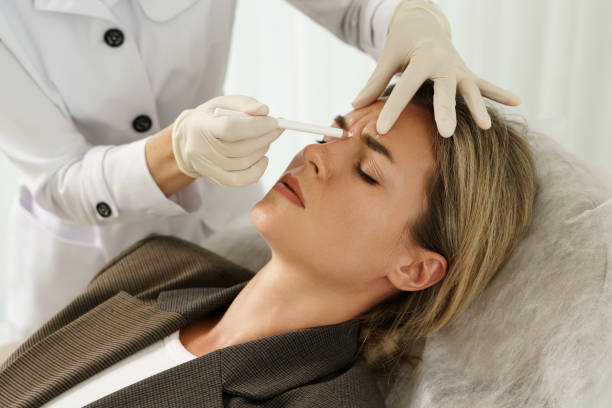
The consultation is the foundation of the treatment plan. During this appointment, the surgeon evaluates the nose from different angles and considers how its shape and proportions relate to the rest of the face.
Patients can discuss concerns such as a nasal hump, wide bridge, uneven tip, asymmetry, or changes following an injury. Breathing difficulties should also be mentioned because functional concerns may influence the surgical plan.
A detailed medical history is an important part of preparation. Patients should disclose previous nasal procedures, injuries, allergies, medications, existing medical conditions, and any breathing problems.
The surgeon may also assess the internal nasal structures when appropriate. This evaluation helps determine whether the planned procedure should focus on cosmetic changes, functional correction, or both.
No two rhinoplasty procedures are exactly alike. The surgical plan is based on the patient's bone and cartilage structure, skin characteristics, facial proportions, and desired changes.
Depending on the individual case, the plan may include reshaping the nasal bridge, refining the tip, adjusting width, improving symmetry, or providing additional structural support.
Before surgery, patients receive instructions based on their individual circumstances. These may include guidance about medications, smoking or nicotine use, eating and drinking before anesthesia, and arranging appropriate support during the initial recovery period.
Following the surgical team's instructions carefully can help patients prepare safely for the procedure.
During surgery, the surgeon makes carefully planned incisions to access the nasal structures. Rhinoplasty may be performed through an open or closed approach depending on the patient's anatomy and the extent of correction required.
The surgeon may modify bone and cartilage to address a prominent hump, uneven contour, or other structural concern.
Cartilage supporting the nasal tip may be adjusted to change its definition, projection, rotation, or width while maintaining appropriate structural support.
Selected structures may be modified when the nasal width appears disproportionate to the rest of the face. The extent of correction depends on individual anatomy.
After the procedure, patients are monitored during the initial recovery period. A nasal splint or other support may be used depending on the surgical technique.
Swelling, bruising, congestion, tenderness, and temporary changes in sensation are common during early recovery. These effects generally improve gradually.
The surgical team provides specific instructions regarding medications, sleeping position, physical activity, nasal care, and follow-up appointments.
The first stage of recovery focuses on protecting the nose and allowing the tissues to heal. Patients may need to avoid strenuous activities and situations that could place pressure on the nose.
Keeping the head elevated as advised may help manage early swelling. Patients should follow their surgeon's instructions rather than attempting additional treatments without professional guidance.
Swelling and bruising can be more noticeable during the early days following surgery. As healing progresses, these effects gradually decrease.
The nose may appear different from the expected long-term result during this period. Residual swelling can remain for an extended time, particularly around the nasal tip, so patience is important while the tissues settle.
Follow-up visits allow the surgical team to monitor healing and identify any concerns during recovery. These appointments may involve examining the nasal structure, assessing swelling, and providing updated aftercare instructions.
Patients should attend scheduled follow-ups and report unusual or persistent symptoms promptly.
Rhinoplasty in Riyadh produces changes that develop progressively as the tissues heal. While some improvements may become visible relatively early, the final appearance does not usually become established immediately after surgery.
The timeline varies according to the extent of surgery, skin characteristics, individual healing, and other factors. Patients should avoid judging the final outcome while substantial swelling remains.
Appropriate postoperative care can support the healing process. Patients should follow instructions regarding activity, sleeping position, nasal protection, medication, and wound or incision care.
Protecting the nose from accidental impact is particularly important during recovery. Any return to exercise or other demanding activities should be based on the surgeon's guidance.
Rhinoplasty is a surgical procedure and carries potential risks. These may include bleeding, infection, persistent swelling, changes in sensation, asymmetry, breathing changes, scarring, or dissatisfaction with the aesthetic outcome.
In some situations, additional surgery may be necessary. Discussing potential risks and limitations during the consultation helps patients understand the procedure before proceeding.
A good rhinoplasty plan considers both the patient's goals and the limitations created by individual anatomy. The purpose is not necessarily to create a completely different nose but to address specific concerns while considering facial proportions and nasal function.
Individual healing also affects the final appearance, so results can differ even when similar surgical techniques are used.
If you are considering Rhinoplasty in Riyadh, understanding the journey from consultation through recovery can help you prepare for each stage. Royal Clinic Saudia can assess your nasal structure, discuss your concerns, and develop a personalized treatment plan based on your aesthetic and functional goals.
What happens during a rhinoplasty consultation?
The surgeon evaluates your nasal structure, facial proportions, medical history, breathing concerns, and desired changes before developing a treatment plan.
How long does rhinoplasty recovery take?
Early swelling and bruising generally improve during the initial recovery period, while subtle swelling and tissue changes may continue for considerably longer.
Can I return to normal activities immediately after surgery?
Strenuous activities and situations that could affect the healing nose may need to be avoided temporarily. Your surgeon will provide individualized guidance.
When can I expect the final rhinoplasty result?
The final appearance develops gradually as swelling decreases and the nasal tissues settle. The exact timeline varies between patients.
rhinoplasty riyadh price nose surgery cost in saudi arabia rhinoplasty in saudi arabia
Get access to our community on your smart mobile phones and access all the features quickly easily accessible within your palm.
Queue
A social network for unique people and their unique things.
Browse through the features and post things that are unique to you.
UniqueThis, Inc. ©2026