Many successful modest fashion brands began as resellers. They built an audience selling other people's designs, learned what their customers loved, and then reached a point where a generic product was holding them back. Customers could find the same abaya elsewhere, margins were under pressure, and there was no way to build a name that stood apart.
Private label manufacturing is how many of these businesses take the next step. This article is for boutique owners, online sellers and new brand founders considering private label abayas, thobes or children's wear. It explains the different manufacturing models, what can be customised, how the production process works and what to consider before placing a first branded order.
Why Retailers Move to Their Own Label
Selling under your own brand changes the relationship with customers. Instead of competing on price for identical products, you offer pieces that can only be bought from you. That makes it easier to build loyalty, command better margins and grow a recognisable name on social media and marketplaces.
A private label also gives you more control. You decide the fabrics, colours, cuts and finishing details, and you can adapt designs based on customer feedback rather than waiting for a supplier's next collection. For online brands in particular, a consistent look across labels, tags and packaging helps build trust with first-time buyers.
Private Label, White Label and OEM: What Is the Difference?
The terms are often used interchangeably, but they describe different levels of involvement.
|
Model
|
What the brand provides
|
What the manufacturer provides
|
Best suited to
|
|
White label
|
Brand name and labels
|
Existing designs, fabric and production
|
New brands wanting a fast, low-risk start
|
|
Private label
|
Brand identity, design choices and specifications
|
Production, fabric sourcing and finishing
|
Growing brands wanting a distinctive range
|
|
OEM / ODM
|
Full designs or tech packs (OEM), or a brief for new designs (ODM)
|
Development, sampling and production
|
Established brands with clear design direction
|
White label modest clothing is the simplest route: you choose from a manufacturer's existing styles and add your own labels and packaging. It is quick and needs little design work, but other brands may sell similar pieces.
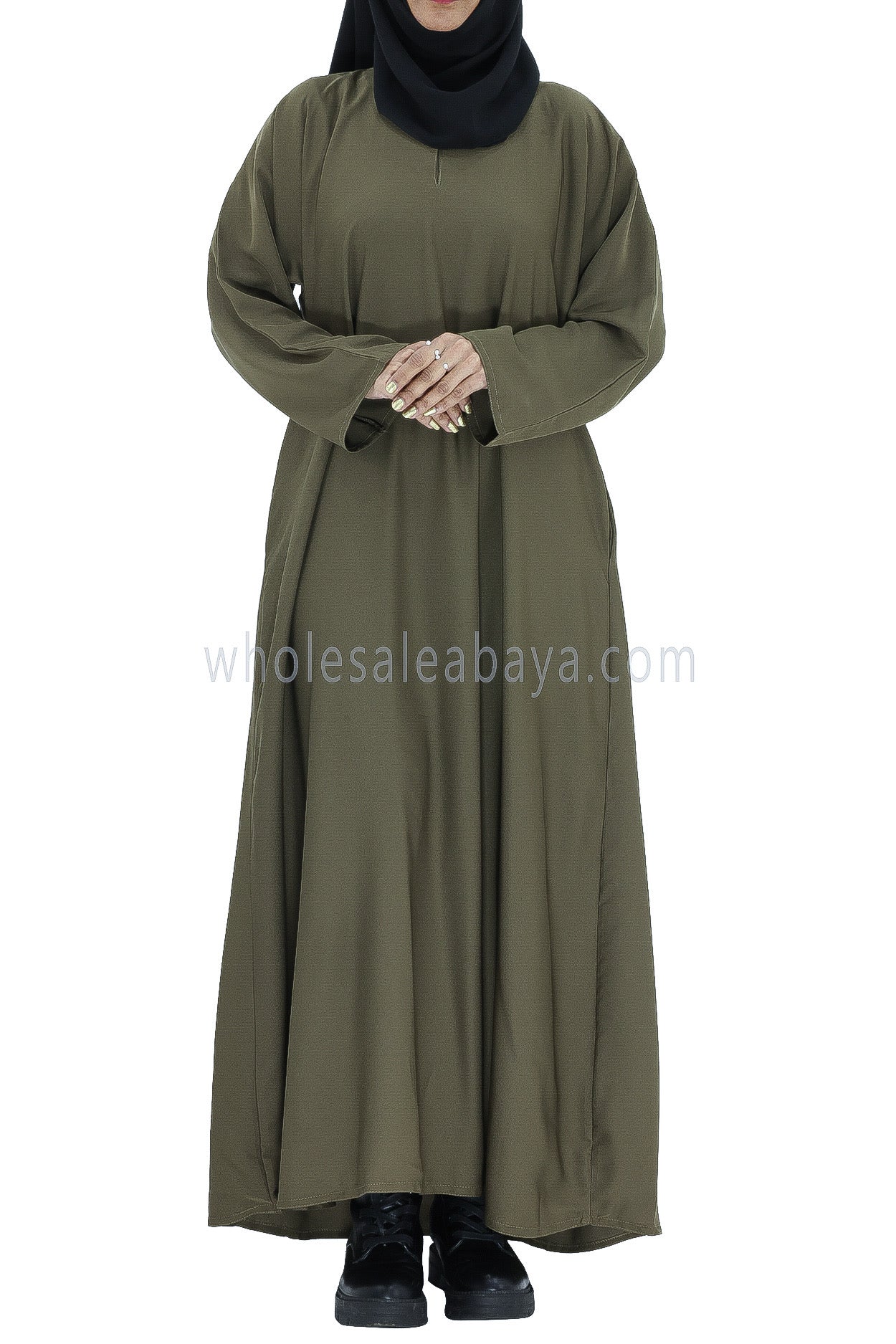
Private label sits in the middle. You start from proven styles or base patterns and customise fabrics, colours, trims and details, creating a range that feels like your own without developing every design from scratch.
OEM Islamic clothing production gives the most control. You supply complete designs or technical specifications, and the manufacturer produces them to your requirements. This route suits brands with in-house design capability and a clear vision for their collections.
What Can Be Customised?
The scope of customisation depends on the manufacturer, but most private label programmes cover three areas.
Branding and Packaging
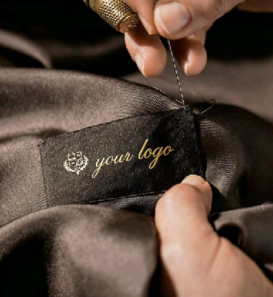
Woven, printed or embossed labels can be placed inside the neckline or on the outside of a garment, alongside care labels and size labels. Hang tags, branded polybags, tissue paper, boxes and stickers complete the presentation. For many brands, packaging is part of the customer experience, particularly for online orders and gifts.
Design Details
Brands can adjust sleeve lengths, silhouettes, pockets, buttons, belts, linings and trims to create a signature look. Embroidery can be used for logos and monograms or as decorative detailing on cuffs, hems and necklines. Size grading can also be adapted to suit your customers, for example by adding longer lengths for taller markets.
Fabric and Colour
Fabric is one of the strongest ways to differentiate a range. Many manufacturers can source popular choices such as nida, crepe, chiffon and premium blends, or work with fabric you supply. Custom dyeing allows brands to develop signature colours that customers associate with their label.
Working With a Custom Abaya or Thobe Manufacturer
Choosing the right custom abaya manufacturer matters as much as the designs themselves. Look for experience with modest wear specifically, because abayas and thobes have construction details, such as long seams, wide sleeves and heavy embellishment, that general garment factories may not handle well.
The same applies to men's wear. A custom thobe manufacturer should understand regional styles, collar and neckline construction, and the importance of accurate length grading. Ask to see samples of previous work and check how embroidery, stitching and finishing hold up after washing.
Producing custom branded thobes alongside abayas from the same manufacturer can simplify development, keep quality consistent across your range and make it easier to coordinate family collections.
From Idea to Delivery: The Production Process
Most private label projects follow a similar sequence.
- Design consultation to agree styles, quantities, budget and timelines.
- Technical specifications or a tech pack covering measurements, materials and finishing.
- Fabric selection, with swatches approved before cutting.
- Sample development, including revisions until the design is right.
- Sample sign-off after a final quality review.
- Bulk production with quality checks during manufacturing.
- Application of labels, tags and packaging.
- Shipping with tracking to your warehouse or customers.
Sampling usually takes a few weeks, and bulk production adds more time on top. Building this into your plan is essential, particularly if you are launching a collection for Ramadan or Eid.
Costs, Minimums and Planning
Private label pricing depends on fabric, design complexity, embellishment, branding options and order quantity. Minimum order quantities are usually set per style and per colour, so a range of five styles in three colours requires fifteen separate minimums. Confirm these figures with your manufacturer early, as they shape how broad your first collection can be.
A focused first launch, with a small number of strong styles in a few colours, keeps costs manageable and lets you test demand before expanding. Budget for samples, branding materials and shipping as well as the garments themselves.
For UK-based brands, working with a manufacturer that offers private label clothing UK support can simplify communication, sampling and delivery. Al-Haram London, for example, offers custom branding and private label services for women's abayas, men's thobes, children's wear and hijabs, covering labels, packaging, embroidery, design changes and fabric sourcing.
Building a Brand Around the Range
Manufacturing is only half of launching a label. Customers buy into a brand's story as much as its products, so it helps to be clear about what makes yours different. That might be a particular fabric, a signature colour palette, a focus on tall sizes, or designs inspired by a specific region or tradition.
Consistent photography, product descriptions and packaging reinforce that identity across your website, marketplaces and social media. Small touches, such as a thank-you card, a care guide or a branded garment bag, make a lasting impression on first-time buyers and encourage repeat orders and recommendations.
Protecting Quality as You Grow
Your brand's reputation depends on every piece being consistent. Agree quality standards in writing, including measurements, stitching, colour matching and finishing. Keep approved samples as a reference for future production runs, and inspect each delivery before it reaches customers. Any reliable abaya manufacturer should be willing to share their quality control process and work with you to resolve issues.
Frequently Asked Questions
What Is the Difference Between Private Label and White Label?
White label means adding your brand to a manufacturer's existing designs. Private label involves customising the product itself, such as fabric, colour, cut and details, to create a range unique to your brand.
How Long Does Private Label Production Take?
Sampling typically takes a few weeks, followed by bulk production and shipping. Allow several months for a first collection, especially if it is timed for Ramadan or Eid.
Can I Add My Labels to Ready Stock Styles?
Many manufacturers offer this as a white label option, adding your labels and packaging to existing designs. It is a quick way to test your brand before investing in custom development.
Can I Supply My Own Fabric?
Many manufacturers accept client-supplied fabric as well as offering their own sourcing. Confirm requirements for quantity and quality before sending material.
Conclusion
Private label manufacturing allows modest fashion retailers to move beyond reselling and build a brand customers recognise. Whether through white label, private label or OEM production, brands can offer abayas, thobes and children's wear that reflect their own style and values.
When choosing a private label partner, brands should consider modest wear experience, customisation options, fabric sourcing, minimum order quantities, sampling timelines and quality control.
Starting with a focused collection, protecting quality from the first order and planning production well ahead of key seasons can help new brands grow steadily while building lasting customer loyalty.