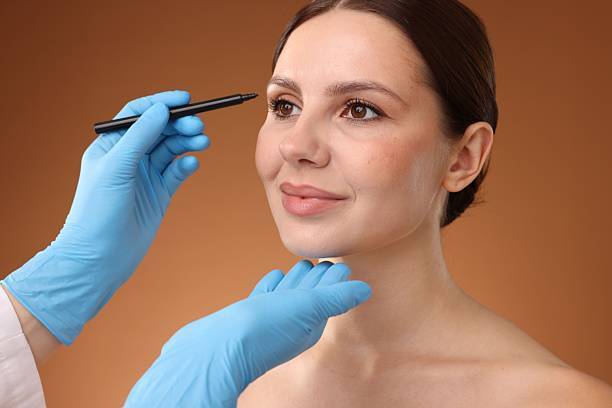
Technology has transformed modern plastic surgery by improving how surgeons assess patients, plan procedures, and monitor recovery. From advanced imaging systems to minimally invasive techniques and specialized surgical instruments, technological developments have expanded the options available to people considering cosmetic or reconstructive treatments. However, technology works best when combined with medical expertise, careful judgment, and individualized care. When searching for the Best Plastic Surgeon in Riyadh, patients should consider how a surgeon uses appropriate technology to support safety, treatment planning, and realistic aesthetic goals.
Modern plastic surgery may involve digital imaging, three-dimensional planning, energy-based devices, and improved surgical techniques, depending on the procedure. These tools can help surgeons understand a patient's anatomy and explain possible treatment approaches more clearly. Nevertheless, technology cannot replace specialist training or guarantee a particular outcome. The Best Plastic Surgeon in Riyadh should be able to explain which technologies are relevant to your needs, what benefits they may offer, and what limitations or risks should be considered before treatment.
How Has Technology Changed Modern Plastic Surgery?
Technological progress has influenced several stages of plastic surgery, including consultation, surgical planning, treatment delivery, and postoperative monitoring. The tools used depend on the procedure, the patient's condition, and the clinical setting.
Important developments include:
-
Digital imaging: Helps document physical features and support discussions about treatment goals.
-
Three-dimensional planning: Can help visualize anatomy and, in selected procedures, assist with surgical planning.
-
Advanced surgical instruments: May support precision and tissue handling during certain operations.
-
Energy-based devices: Use technologies such as lasers or radiofrequency for specific cosmetic applications.
-
Improved monitoring systems: Help clinical teams monitor patients during anesthesia and recovery.
These developments can support treatment decisions, but their usefulness varies. A surgeon should choose technology based on medical need rather than using the newest equipment simply because it is available.
How Does 3D Imaging Help With Surgical Planning?
Three-dimensional imaging can provide a more detailed representation of selected anatomical features than standard photographs. Depending on the system and procedure, it may help surgeons assess proportions, discuss treatment options, or plan certain aspects of an operation.
Potential applications include:
-
Facial assessment: Supporting discussions about facial proportions and selected rhinoplasty or facial surgery plans.
-
Breast surgery planning: Helping visualize dimensions and compare possible implant sizes in suitable cases.
-
Patient education: Making it easier to discuss anatomical features and proposed changes.
-
Treatment documentation: Providing additional information for planning and comparison when appropriate.
However, digital simulations are estimates, not promises of the final result. They may not fully predict how tissue will respond to surgery, how healing will progress, or how scars will develop. Patients should understand the limitations of any imaging tool used during consultation.
What Role Does AI Play in Plastic Surgery?
Artificial intelligence is increasingly being explored in healthcare, including applications related to medical imaging, clinical documentation, and surgical planning. In plastic surgery, AI-supported tools may help analyze images, organize information, or assist with selected assessments when appropriately validated.
Possible uses include:
-
Image analysis: Supporting the assessment of selected facial or body measurements.
-
Planning support: Helping clinicians organize anatomical information for discussion.
-
Patient communication: Providing visual aids to explain possible treatment approaches.
-
Research and education: Supporting analysis of clinical information and surgical techniques.
AI should not independently determine whether a patient needs surgery or replace a qualified surgeon's clinical judgment. Its accuracy and usefulness depend on the specific system, the quality of its data, and how it is used. Patients should ask whether an AI-supported tool is clinically validated and how its recommendations are reviewed by the treating professional.
How Do Modern Surgical Instruments Support Precision?
Advances in surgical instruments can help surgeons perform particular procedures with improved control or more specialized techniques. The benefits depend on the operation and the equipment being used.
Examples include:
-
Specialized instruments: Designed to support careful tissue handling during different surgical procedures.
-
Endoscopic equipment: Uses a small camera to help visualize internal structures in selected operations.
-
Energy-based surgical devices: May be used for cutting, coagulation, or other specific surgical purposes.
-
Improved visualization systems: Can help clinicians see relevant anatomical structures during certain procedures.
Not every procedure benefits from the same equipment. The choice of instruments should reflect the patient's anatomy, the surgeon's training, and the goals of the operation. Good outcomes still depend heavily on surgical judgment and appropriate technique.
How Has Technology Improved Minimally Invasive Procedures?
Some modern cosmetic procedures use smaller instruments, targeted energy, or techniques intended to limit tissue disruption. Depending on the treatment, these approaches may reduce certain aspects of recovery, although they are not necessarily suitable for every patient.
Examples include:
-
Endoscopic techniques: Used in selected procedures through smaller incisions with camera guidance.
-
Laser treatments: Applied to specific concerns involving skin texture, pigmentation, or resurfacing.
-
Radiofrequency treatments: Used in certain applications involving tissue heating or skin tightening.
-
Advanced liposuction technologies: Some systems use specialized energy or instrumentation to assist fat removal.
The term "minimally invasive" does not mean risk-free. Some energy-based treatments can cause burns, scarring, pigment changes, or other complications, while surgical procedures still involve risks such as infection and bleeding. A qualified professional should explain the evidence, alternatives, and expected recovery for the particular treatment being considered.
How Does Technology Support Patient Safety?
Patient safety depends on several coordinated measures, and technology is only one part of the process. Appropriate equipment can support monitoring, imaging, and treatment delivery, but it cannot compensate for inadequate training or poor clinical practices.
Safety-related technologies and systems may include:
-
Anesthesia monitoring: Helps the clinical team track vital signs during procedures.
-
Diagnostic imaging: May be used when additional assessment is needed before treatment.
-
Sterilization systems: Support infection prevention when used according to established protocols.
-
Postoperative monitoring: Helps clinicians assess recovery and identify concerns.
-
Digital medical records: Can support documentation and communication among authorized members of the care team.
Patients should also confirm that the surgeon is appropriately qualified, the facility is authorized for the procedure, and emergency arrangements are in place. Technology can assist with safety, but it cannot eliminate every surgical risk.
How Should You Evaluate a Surgeon’s Use of Technology?
When choosing a plastic surgeon, it is useful to ask not only which technologies are available but also why a particular tool is appropriate for your situation. A responsible surgeon should explain the expected benefits and limitations without overstating what the equipment can achieve.
Consider asking:
-
Which technologies are relevant to my planned procedure?
-
How will the technology affect treatment planning or delivery?
-
Is there clinical evidence supporting its use for my concern?
-
What risks, limitations, or alternatives should I understand?
-
What training and experience do you have with this technique?
-
Will the technology change my recovery time or follow-up requirements?
The Best Plastic Surgeon in Riyadh should combine appropriate technology with verified qualifications, relevant surgical experience, and clear communication. Expensive equipment alone does not establish that a surgeon is more skilled or that a procedure will produce better results.
What Is the Future of Technology in Plastic Surgery?
Ongoing developments may expand the use of AI-supported analysis, virtual planning, robotic assistance in selected surgical settings, and personalized medical technologies. However, availability, evidence, and clinical usefulness vary considerably between applications.
Future developments may help with:
-
More detailed anatomical assessment.
-
Better tools for explaining surgical options.
-
Improved training and simulation for healthcare professionals.
-
More organized postoperative monitoring.
-
Further refinement of selected surgical techniques.
Patients should distinguish established clinical applications from emerging technologies that are still being studied. Before choosing a treatment based on a new device or digital system, ask about its approval status, evidence, potential risks, and whether established alternatives may be more appropriate.
Book a Consultation at Royal Clinic Saudia
If you are considering a cosmetic or reconstructive procedure, can be a starting point for discussing your goals and learning about the available assessment process. Ask how technology may contribute to your treatment plan, what evidence supports its use, and which risks and alternatives you should understand. A personalized consultation can help you make an informed decision based on your needs rather than technology alone.
FAQs:
How does technology improve modern plastic surgery?
Technology can support anatomical assessment, surgical planning, visualization, and patient monitoring. Its benefits depend on the specific tool, procedure, and clinical setting, and it does not guarantee a particular outcome.
Can 3D imaging predict the exact results of plastic surgery?
No. Three-dimensional imaging can help illustrate possible changes, but simulations are estimates. Actual results depend on anatomy, surgical technique, tissue response, and healing.
Is AI replacing plastic surgeons?
No. AI may support selected tasks, such as image analysis or planning, but it does not replace specialist training, clinical judgment, informed consent, or direct patient assessment.
Does advanced technology make plastic surgery safer?
Appropriate technology can support monitoring and treatment delivery, but safety also depends on the surgeon's qualifications, the surgical facility, patient selection, and postoperative care. Every procedure still carries potential risks.