9 minutes, 4 seconds
-54 Views 0 Comments 0 Likes 0 Reviews
Stubborn fat can remain in specific parts of the body even when a person follows a balanced diet and stays physically active. Liposuction in Riyadh (كم سعر عملية شفط الدهون في السعودية) is a body-contouring procedure designed to address localized fat deposits and improve the shape of selected areas. Instead of focusing on overall weight reduction, the procedure targets areas where unwanted fat affects body proportions, helping create a smoother and more defined appearance.
For individuals who are relatively close to their desired weight but have persistent fat pockets, Liposuction in Riyadh may be considered as part of a personalized body-contouring plan. Areas such as the abdomen, waist, thighs, hips, arms, and back can sometimes respond well to targeted fat removal when the person is considered suitable for the procedure. Understanding where stubborn fat commonly occurs and how liposuction works can help set realistic expectations before treatment.
Stubborn fat refers to localized fat deposits that may be resistant to changes in diet and physical activity. Genetics, age, hormones, body composition, and lifestyle can all influence where the body stores fat. These deposits do not necessarily indicate that someone is overweight.
The body naturally stores fat in different patterns. Some people may notice more fat around the abdomen and waist, while others may have prominent deposits around the thighs, hips, arms, or back. Even after overall weight loss, these specific areas can remain difficult to change.
Liposuction works by physically removing selected fat cells from targeted areas. During treatment, a small cannula is typically introduced through carefully positioned incisions. The surgeon uses controlled movements to loosen and remove fat while working toward balanced and natural-looking contours.
Effective body contouring is not simply about removing a large amount of fat. The treatment needs to account for surrounding tissues, body proportions, and skin quality. A customized plan can help avoid uneven contours and support a smoother transition between treated and untreated areas.
Localized fat can develop in several parts of the body. The areas suitable for treatment depend on individual anatomy and the assessment performed during consultation.
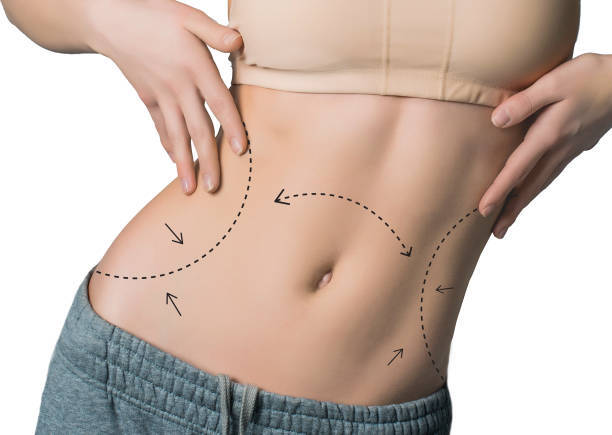
The abdomen is one of the most common areas where people notice persistent fat. Deposits around the waist and flanks can also affect the appearance of the torso. Targeted contouring may help create a more defined transition between the abdomen and waist.
Fat around the hips and thighs can influence overall lower-body proportions. Depending on the individual's anatomy, liposuction may be used to refine selected areas of the inner or outer thighs and hips.
Localized fat in the upper arms can sometimes remain despite exercise. Treatment may help reduce excess fat and create a smoother arm contour, although skin elasticity is an important consideration.
Fat deposits around the back and sides can affect the appearance of the waistline. Carefully planned treatment may improve the transition between the upper body, waist, and hips.
Liposuction is generally considered for adults who have localized fat deposits and are at a relatively stable weight. Candidates should have realistic expectations and understand that the procedure is intended for contouring rather than general weight management.
A consultation may involve reviewing medical history, medications, previous procedures, skin elasticity, fat distribution, and aesthetic goals. The medical professional may also examine whether the amount of localized fat and skin condition make liposuction an appropriate option.
It is important to understand that liposuction is not an alternative to a healthy lifestyle or a primary treatment for obesity. The procedure focuses on selected areas rather than reducing body weight throughout the entire body.
After treatment, maintaining a relatively stable weight can help preserve the body's new contours. Significant weight gain can enlarge remaining fat cells and affect the overall appearance of the treated areas.
Removing fat changes the volume beneath the skin, but the skin must adapt to the new contour. Individuals with better skin elasticity may experience smoother adaptation after fat removal. Significant loose skin may require a different or additional treatment approach.
There is no single treatment plan that works for everyone. The number and location of stubborn fat deposits, skin quality, body proportions, and personal goals all influence the recommended approach.
Temporary swelling, bruising, tenderness, and changes in sensation can occur following liposuction. These effects generally improve as the body heals. Recovery time varies according to the treatment area, extent of fat removal, technique, and individual healing response.
Patients may receive instructions regarding compression garments, physical activity, wound care, and follow-up appointments. Following these recommendations can support recovery and help protect the developing contours.
Changes may be noticeable as swelling begins to decrease, but the final appearance can take longer to develop. The treated areas gradually become more defined as healing progresses and residual swelling subsides.
A qualified medical professional can determine whether liposuction is appropriate for a particular stubborn fat area. During consultation, patients can discuss their desired outcome, treatment options, expected recovery, potential risks, and realistic results. Understanding these factors before treatment can help ensure that expectations are aligned with what the procedure can achieve.
If you are considering body contouring for persistent fat deposits, Royal Clinic Saudia (عيادات رويال كلينك) can provide a personalized consultation to discuss your concerns and treatment goals. An assessment can help determine whether liposuction may be suitable for your stubborn fat areas and explain what to expect throughout the treatment and recovery process.
Can liposuction remove stubborn abdominal fat?
Liposuction may be used to remove localized fat from the abdomen when a person is considered suitable for the procedure.
Is liposuction suitable for people who are already at a healthy weight?
It may be considered for individuals who are near a stable weight but have localized fat deposits that they would like to address through body contouring.
Can stubborn fat return after liposuction?
The fat cells removed from the treated area do not grow back, but remaining fat cells can enlarge with significant weight gain.
Does liposuction tighten loose skin?
Liposuction primarily removes fat. Its effect on loose skin depends on skin elasticity, and significant skin laxity may require a different treatment approach.
كم تكلفة عملية شفط دهون البطن في الرياض عملية شفط الدهون وشد البطن في الرياض تكلفة عملية شفط الدهون في السعودية
Thanks for your feedback. Your report has been submitted.
Get access to our community on your smart mobile phones and access all the features quickly easily accessible within your palm.
Queue
A social network for unique people and their unique things.
Browse through the features and post things that are unique to you.
UniqueThis, Inc. ©2026