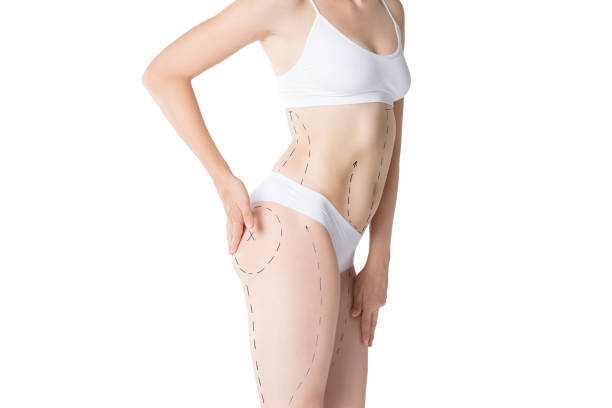
Many women maintain healthy lifestyles but continue to notice localized fat deposits that affect their natural body contours. Factors such as genetics, hormonal changes, aging, and pregnancy can influence fat distribution around the abdomen, hips, thighs, arms, and other areas. Liposuction is a surgical procedure designed to remove selected fat deposits and refine body proportions. For suitable candidates, Liposuction in Riyadh (عملية شفط الدهون في الرياض) may offer an option for addressing stubborn fat and achieving more balanced contours. Understanding the available options, candidacy requirements, and recovery process can help women make informed decisions about body contouring.
What Is Liposuction for Women?
Liposuction removes localized fat from beneath the skin using a thin tube called a cannula. The surgeon makes small incisions and uses the cannula to loosen and remove targeted fat while shaping the treated area.
The Purpose of Body Contouring
The primary goal of liposuction is to improve the appearance of selected body areas rather than produce significant weight loss. Women may consider the procedure when specific fat deposits remain noticeable despite consistent exercise and balanced nutrition. Treatment is customized according to body proportions, skin quality, and individual aesthetic goals.
Understanding Individual Body Shape
Every woman's body stores fat differently. Some may notice fullness around the abdomen, while others may have more prominent deposits around the hips, thighs, or upper arms. A personalized assessment helps determine whether liposuction can address the main concern and whether another treatment may be more appropriate.
Common Liposuction Treatment Areas for Women
Liposuction can target several areas where localized fat affects body proportions. The surgeon considers the amount and distribution of fat, skin elasticity, and surrounding contours when planning treatment.
Abdomen and Waist
The abdomen and waist are common treatment areas for women seeking a more defined midsection. Liposuction can reduce localized fat around the stomach and flanks, helping refine the waistline. However, it does not repair separated abdominal muscles or remove significant excess skin, which may require different surgical approaches.
Hips and Thighs
Fat around the hips and thighs can influence the overall silhouette. Liposuction may help reduce selected deposits and create smoother transitions between treated areas. Careful planning is important to maintain natural proportions and reduce the risk of contour irregularities.
Upper Arms
Some women experience fullness around the upper arms that remains despite lifestyle changes. Liposuction may help reduce localized fat when the skin has sufficient elasticity to adapt to the new contour. Significant loose skin may require consideration of an arm lift instead of liposuction alone.
Back and Bra-Line Area
Fat deposits around the upper or lower back may affect clothing fit and body definition. Liposuction can target these areas when the excess volume is primarily caused by subcutaneous fat. The surgeon must consider surrounding tissue and skin quality to achieve balanced results.
Chin and Neck
Localized fat beneath the chin can soften the jawline and affect facial proportions. In selected patients, liposuction may improve definition around the chin and neck. Skin elasticity is particularly important because loose skin may remain after fat removal.
Different Body Contouring Options
Liposuction is one of several approaches to body contouring. The most suitable option depends on whether the concern involves localized fat, excess skin, muscle separation, or a combination of these factors.
Traditional Liposuction
Traditional liposuction uses a cannula to remove fat through small incisions. It can be used on several body areas, and the surgeon adjusts the technique according to the treatment plan and the patient's anatomy.
Power-Assisted Liposuction
Power-assisted liposuction uses a mechanically powered cannula to help loosen fat during removal. It may be appropriate for selected treatment areas, depending on the surgeon's experience and the patient's needs. No technique guarantees superior results for every patient.
Energy-Assisted Techniques
Some liposuction methods use ultrasound or laser energy to assist with fat removal. These technologies have specific indications and limitations, and their suitability depends on the treatment area, skin characteristics, and surgical plan. Patients should discuss the potential benefits and risks rather than assuming one technique is best for everyone.
Non-Surgical Fat Reduction
Non-surgical treatments may use cooling or other technologies to reduce selected fat deposits without traditional surgery. These approaches generally produce different results from liposuction and may require multiple sessions. A qualified professional can explain which options are appropriate for the patient's goals.
Who Is a Suitable Candidate for Liposuction?
Not every woman who wants body contouring is a suitable candidate. A medical consultation helps establish whether surgery is appropriate and what outcome may reasonably be expected.
Stable Weight and Localized Fat
Candidates are generally close to their target weight and have specific fat deposits that remain despite healthy lifestyle habits. Liposuction in Riyadh is intended for body contouring rather than treating obesity or replacing long-term weight management.
Good Skin Elasticity
Skin elasticity influences how well the skin adjusts after fat removal. Women with relatively firm skin may achieve smoother contours, while those with significant skin laxity may experience sagging after treatment. A surgeon can explain whether another procedure may better address excess skin.
General Health and Realistic Expectations
Patients should be healthy enough to undergo surgery and understand its limitations. Medical conditions, medications, smoking, previous procedures, and future pregnancy plans may affect treatment planning. Women should discuss these factors openly with their surgeon and understand that liposuction cannot guarantee perfect symmetry or prevent future changes in body shape.
Recovery and Maintaining Results
Recovery varies according to the treatment area, the amount of fat removed, and the patient's overall health. Swelling, bruising, tenderness, and temporary changes in sensation are common during the initial healing period.
Following Post-Operative Instructions
Patients may need to wear compression garments as directed and follow specific wound-care instructions. Gentle walking is often encouraged, while strenuous exercise and heavy lifting should be postponed until the surgeon confirms they are safe. Follow-up appointments help monitor healing and identify potential concerns.
Protecting Long-Term Results
Although liposuction removes fat cells from treated areas, remaining fat cells can enlarge with weight gain. Maintaining a stable weight through balanced nutrition and regular physical activity can help preserve the outcome. Pregnancy, aging, and significant weight changes may also alter body contours over time.
Risks and Important Considerations
Liposuction carries potential risks, including infection, bleeding, fluid accumulation, scarring, changes in sensation, asymmetry, and uneven contours. Rare but serious complications, such as blood clots, anesthesia-related problems, or fat embolism, can also occur.
Choosing a qualified plastic surgeon and an appropriate medical facility is essential. Patients should ask about the surgeon's credentials, experience with the intended treatment area, safety procedures, expected recovery, and management of complications before making a decision.
Book an Appointment at Royal Clinic Saudia
If you are exploring body contouring, a professional consultation can help you identify options that suit your goals, anatomy, and medical needs. At Royal Clinic Saudia ( عيادات رويال كلينك ), arrange an appointment to discuss your concerns, review the potential benefits and limitations of Liposuction in Riyadh, and learn about suitable techniques, safety considerations, and recovery expectations. An individualized assessment can help you make a confident and informed decision about your body-contouring journey.