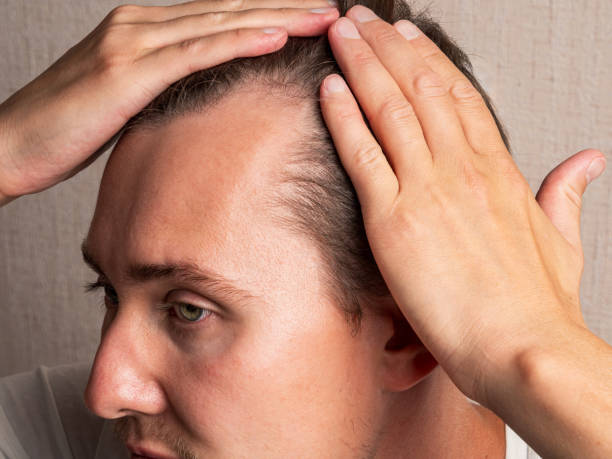
Hair growth depends on healthy follicles, adequate nourishment, and a balanced scalp environment. When follicles become weakened, hair may gradually become thinner, shorter, or more prone to shedding. prp treatment riyadh is a minimally invasive approach that uses concentrated components from the patient’s own blood to support the scalp and existing hair follicles. Understanding how this treatment works can help people determine whether it may be appropriate for their particular type of hair loss.
What Is PRP Hair Treatment?
Platelet-rich plasma, commonly known as PRP, is prepared from a small blood sample taken from the patient. The sample is processed to concentrate platelets and growth factors before the resulting plasma is administered into selected areas of the scalp. PRP Hair Treatment in Riyadh focuses on supporting existing follicles rather than surgically replacing them, making it different from hair transplantation.
The Role of Platelets
Platelets are naturally involved in the body's healing and repair processes. They contain various growth factors and signaling proteins that participate in tissue regeneration. When concentrated platelets are introduced into targeted scalp areas, they may help support the local environment surrounding hair follicles.
How PRP May Support Hair Follicles
The primary aim of PRP therapy is to create a supportive environment for follicles that are still present but may be weakened or producing finer hair. Growth factors released by platelets may interact with cells around the follicles and contribute to processes associated with tissue repair and follicle activity. The response varies from person to person, so PRP should not be considered a guaranteed solution for every form of hair loss.
Supporting Existing Follicles
PRP works with the follicles already present in the treated area. This is particularly relevant for people experiencing thinning where follicles may still have the potential to produce hair. The treatment does not create new follicles, but it may help support the function of existing ones when the underlying cause of hair loss is appropriate for PRP therapy.
The PRP Treatment Process
A PRP session generally starts with collecting a small blood sample. The sample is then processed to separate the platelet-rich portion from other blood components. Once prepared, the concentrated plasma is administered into carefully selected scalp areas. The treatment is performed without surgical incisions or the transplantation of hair follicles.
Preparing the Scalp
Before treatment, the scalp is assessed to identify areas of thinning and determine where PRP may be administered. Your provider may discuss your medical history, hair-loss pattern, current medications, and previous treatments. This assessment helps establish whether PRP is suitable and allows the treatment approach to be personalized.
How PRP May Affect the Hair Growth Cycle
Hair naturally moves through different stages, including growth, transition, and resting phases. Factors such as genetics, hormones, age, illness, nutritional issues, and stress can influence this cycle. PRP is intended to support follicles during the growth process rather than instantly changing the hair cycle.
Gradual Changes in Hair Appearance
Because hair grows slowly, improvements generally develop gradually rather than immediately after a session. Some individuals may notice changes in hair shedding or thickness over time, while others may require a longer period before observing noticeable differences. Consistent follow-up allows the provider to evaluate the response and determine whether continued treatment may be appropriate.
Who May Benefit From PRP?
PRP may be considered for adults with certain forms of hair thinning, particularly when viable follicles remain in the affected areas. However, hair loss has many possible causes, and PRP is not appropriate for everyone. A professional evaluation is important before beginning treatment.
Why Diagnosis Matters
Persistent shedding can sometimes be associated with an underlying medical or scalp condition. Identifying the cause can help prevent inappropriate treatment and ensure that any contributing factors are addressed. Depending on the situation, a specialist may recommend additional examinations or laboratory testing before creating a hair-restoration plan.
Benefits of PRP for Hair Support
One of the key features of PRP is that it uses a concentrated component derived from the patient's own blood. It is also minimally invasive and focuses on existing follicles. For suitable candidates, PRP Hair Treatment in Riyadh can be incorporated into a broader strategy for managing certain types of hair thinning.
A Minimally Invasive Approach
Unlike surgical hair transplantation, PRP does not involve removing and relocating follicles. The treatment involves targeted administration of prepared plasma into the scalp. This may make it an appealing option for people seeking a non-surgical approach, although individual suitability should always be determined during a professional consultation.
What Can Influence PRP Results?
The response to PRP can vary considerably. Factors such as the cause of hair loss, duration of thinning, follicle condition, age, overall health, and adherence to the recommended treatment plan may influence outcomes. Expectations should therefore be realistic, and results should be assessed over time rather than immediately after treatment.
Importance of a Personalized Treatment Plan
There is no single PRP schedule that works for every individual. A provider may recommend multiple sessions or follow-up assessments depending on the patient's condition and response. Personalized planning can also help determine whether PRP should be combined with another medically appropriate hair-loss treatment.
PRP Compared With Hair Transplantation
PRP and hair transplantation serve different purposes. PRP aims to support existing follicles, while transplantation involves surgically relocating follicles from a donor area to areas affected by hair loss. Some patients may be evaluated for one approach, while others may be considered for a combination of treatments depending on their circumstances.
Setting Realistic Expectations
PRP should be viewed as a treatment that may support hair health rather than an instant hair-regrowth solution. Understanding its purpose, limitations, and expected timeline can help patients approach treatment with realistic expectations. A qualified professional can explain what may be achievable based on the individual's scalp and hair-loss pattern.
Book Your Appointment at Royal Clinic Saudia
If you are concerned about thinning hair or increased shedding, consider consulting Royal Clinic Saudia for a professional assessment. A personalized consultation can help determine the possible cause of your hair concerns and whether PRP may be an appropriate option for supporting healthier-looking hair.
FAQs:
How does PRP support hair growth?
PRP delivers concentrated platelets and growth factors to targeted scalp areas, which may support the environment around existing hair follicles.
Does PRP create new hair follicles?
No. PRP does not create new follicles. It is intended to support existing follicles that may still be capable of producing hair.
When can PRP results become noticeable?
Hair changes are gradual, and the timeline varies depending on the individual's condition and response to treatment.
Can PRP treat every type of hair loss?
No. PRP may be suitable for some forms of hair thinning but is not appropriate for every cause or stage of hair loss. A professional evaluation is recommended.