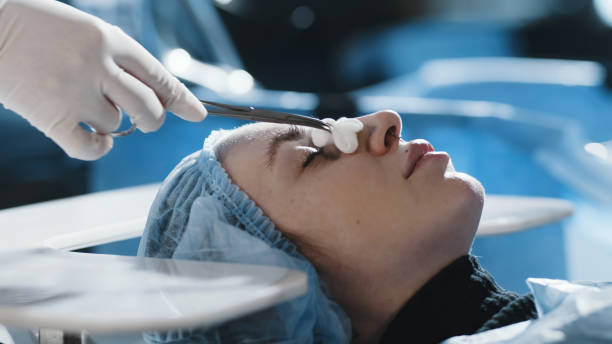
Rhinoplasty is a surgical procedure that reshapes the nose to address concerns related to appearance, structure, or breathing. Planning for surgery involves more than deciding which nasal features to change. Patients should consider their overall health, personal goals, surgeon qualifications, potential risks, and the time required for recovery. Understanding these factors can help people make informed decisions and prepare for the process. For individuals researching Rhinoplasty in Riyadh (عملية تجميل الأنف في الرياض), careful preparation and a professional consultation are important steps toward determining whether the procedure is suitable for their needs.
Define Your Goals and Expectations
Before planning rhinoplasty, consider what you hope to achieve. Some people want to refine the nasal bridge, adjust the tip, improve symmetry, or create better facial proportions. Others are more concerned about nasal obstruction or structural problems that affect breathing. Identifying your main priorities helps the surgeon understand your concerns and discuss appropriate options.
Focus on Realistic Results
Rhinoplasty can improve selected nasal features, but it cannot guarantee perfect symmetry or reproduce another person's nose exactly. The outcome depends on factors such as bone structure, cartilage strength, skin thickness, and natural facial proportions. A surgeon should explain what changes may be achievable while preserving the nose's support and function.
Understand Your Personal Motivation
It is important to choose surgery for your own reasons rather than because of pressure from family, friends, or social media. Patients should have a clear understanding of their goals and be prepared for the possibility that the final result may differ slightly from their expectations. Taking time to consider the decision can help establish a healthier perspective on treatment.
Choose a Qualified and Experienced Surgeon
The surgeon's qualifications and experience are central considerations when planning rhinoplasty. Look for an appropriately licensed specialist with relevant training and experience in nasal surgery. Depending on your needs, this may be a qualified plastic surgeon or an ear, nose, and throat specialist with appropriate rhinoplasty expertise.
Ask about the surgeon's experience with procedures similar to the one you are considering. Reviewing before-and-after photographs may help you understand their approach, although images cannot guarantee your own results. You should also feel comfortable asking questions and receiving clear explanations about the proposed procedure, its limitations, and possible complications.
Assess Your Overall Health
Your general health can influence surgical safety, anesthesia planning, and recovery. During the consultation, disclose existing medical conditions, previous surgeries, allergies, and all medications or supplements you use. Your surgeon may recommend additional medical assessments when needed.
Smoking and nicotine use can interfere with tissue healing and increase the risk of complications. If you smoke or use nicotine products, ask your healthcare provider how long before and after surgery you should avoid them. Do not stop prescribed medication or begin new supplements without medical advice.
Understand the Type of Rhinoplasty You Need
Different rhinoplasty approaches address different concerns. Cosmetic rhinoplasty focuses primarily on nasal appearance, while functional rhinoplasty aims to correct structural problems that interfere with airflow. In some cases, both objectives can be addressed during the same operation.
Open and Closed Rhinoplasty
Open rhinoplasty involves a small incision across the tissue between the nostrils, allowing the surgeon to access underlying structures directly. Closed rhinoplasty uses incisions inside the nose. The most appropriate technique depends on the planned changes, nasal anatomy, and the surgeon's assessment. Neither approach is automatically better for every patient.
Septoplasty and Functional Corrections
If a deviated septum is contributing to breathing difficulties, septoplasty may be considered. Other structural concerns, such as nasal valve narrowing, may require a different or additional procedure. Because congestion can also result from allergies or inflammation, a proper assessment is needed before deciding that surgery will improve breathing.
Learn About Potential Risks and Complications
Rhinoplasty is a surgical procedure and carries risks, even when performed by an experienced specialist. Possible complications include bleeding, infection, anesthesia-related problems, persistent swelling, asymmetry, changes in sensation, scarring, breathing difficulties, or the need for additional surgery.
Before proceeding with Rhinoplasty in Riyadh, ask the surgeon to explain the risks that are relevant to your medical history and proposed treatment. Discuss what happens if the result does not meet expectations and whether revision surgery could ever be necessary. Understanding both the potential benefits and limitations is an essential part of informed consent.
Plan for Recovery and Time Away From Daily Activities
Recovery should be considered before scheduling surgery, particularly if you have work, family responsibilities, or upcoming events. Many patients return to light activities within one to two weeks, but recovery varies according to the extent of surgery and individual healing. Bruising and visible swelling often improve during the first few weeks, while subtle swelling may persist for a year or longer.
Arrange help with essential tasks during the early recovery period if needed. Follow instructions about keeping your head elevated, caring for the nose, taking medication, and avoiding strenuous activity. Contact sports and activities that could injure the nose may need to be avoided for longer than routine daily activities.
Consider the Surgical Facility and Follow-Up Care
The procedure should take place in an appropriately licensed surgical facility with suitable anesthesia support and safety protocols. Ask where the surgery will be performed, who will provide anesthesia, and how complications would be managed if they occurred.
Postoperative care is equally important. Confirm how follow-up appointments are arranged, whom to contact if you have concerns, and what symptoms require urgent assessment. Reliable communication with the care team can help you feel prepared and ensure that changes during recovery are evaluated appropriately.
Prepare Questions for Your Consultation
A consultation is an opportunity to understand the treatment plan before making a decision. Consider asking which procedure is recommended and why, what results are realistic, how breathing function will be assessed, and what recovery restrictions you should expect. You can also ask about the surgeon's relevant experience, possible complications, and the expected schedule for follow-up visits.
For patients exploring Rhinoplasty in Riyadh, discussing concerns openly and taking time to review the answers can help them make a decision based on medical advice rather than assumptions. You should never feel pressured to book surgery before your questions have been addressed.
Book a Consultation at Royal Clinic Saudia
Careful planning can help you understand whether rhinoplasty aligns with your goals, health needs, and expectations. Contact Royal Clinic Saudia ( عيادات رويال كلينك ) to discuss your nasal concerns, learn about available treatment options, and ask questions about the assessment process. A personalized consultation can help you understand the potential benefits, risks, and recovery requirements before deciding on Rhinoplasty in Riyadh.