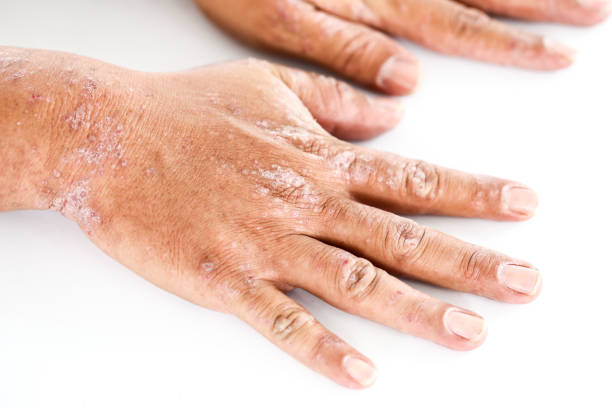
Eczema is a common inflammatory skin condition that causes itching, dryness, redness, and irritation. Persistent itching can interfere with sleep, affect daily activities, and lead to repeated scratching that damages the skin. Antihistamines are medicines commonly used to relieve symptoms associated with allergies, but their role in eczema management is more limited than many people expect. Understanding how these medicines work can help patients explore appropriate Eczema treatment in Riyadh (علاج الإكزيما في الرياض) and learn which approaches may provide the most effective relief for their individual symptoms.
Antihistamines work by blocking the effects of histamine, a chemical involved in allergic reactions. However, eczema-related itching is not caused by histamine alone, so antihistamines do not usually treat the underlying inflammation or control eczema itself. Certain types may be helpful when a person also has an allergic condition or when itching significantly affects sleep, but their benefits vary. People considering Eczema treatment in Riyadh should consult a qualified healthcare professional before using antihistamines, particularly for children, older adults, or anyone taking other medications.
What Are Antihistamines?
Antihistamines are medicines that block histamine receptors, reducing symptoms associated with conditions such as allergic rhinitis, hives, and some allergic reactions. Histamine can contribute to itching, swelling, sneezing, and other symptoms, depending on the condition.
There are two broad groups of antihistamines commonly discussed in clinical care: first-generation and second-generation medicines. First-generation antihistamines tend to cause more drowsiness, while many second-generation options are less sedating. Both groups have potential side effects, and the most suitable option depends on the person's age, medical history, symptoms, and other medications.
Why Does Eczema Cause Itching?
Eczema-related itching develops through several interacting processes, including skin barrier damage, inflammation, and the activation of sensory nerves. When the skin loses moisture and becomes irritated, inflammatory signals can increase the urge to scratch. Scratching may then cause further skin damage, making the itching more persistent.
Histamine can contribute to itching in some situations, but it is not the main driver of most eczema-related itch. This helps explain why antihistamines often provide limited relief when eczema is the only condition present. Treating inflammation and restoring the skin barrier are usually more important for controlling eczema symptoms.
How Do Antihistamines Help With Eczema?
Supporting Sleep When Itching Is Severe
Some first-generation antihistamines cause drowsiness, which may help certain patients sleep when itching is disrupting their rest. However, sedation does not mean that the medicine is treating the eczema or reducing the underlying skin inflammation.
These medicines should only be considered when appropriate for the individual and recommended by a healthcare professional. They can cause next-day drowsiness, reduced concentration, and impaired coordination, so activities requiring alertness, including driving, may be unsafe.
Managing Coexisting Allergic Conditions
People with eczema may also experience conditions such as allergic rhinitis or hives. In these situations, an antihistamine may help relieve symptoms associated with the additional allergic condition, even if it does little to improve the eczema itself.
A healthcare professional can help determine whether an antihistamine is likely to address a relevant symptom or whether another treatment approach is more appropriate.
Providing Limited Relief From Itching
Some individuals may notice a degree of itch relief with antihistamines, but results are inconsistent. These medicines are generally not recommended as routine treatment for eczema-related itching alone because the underlying mechanisms are not primarily histamine-driven.
If itching remains severe despite appropriate skincare and prescribed treatment, a clinician may need to reassess the diagnosis, identify possible triggers, or adjust the eczema management plan.
Types of Antihistamines Used in Clinical Care
First-Generation Antihistamines
First-generation antihistamines can cause significant drowsiness because they affect the central nervous system. A clinician may consider a short-term option in selected circumstances, such as severe sleep disruption, but these medicines are not suitable for everyone.
Potential side effects include dry mouth, dizziness, constipation, blurred vision, and impaired coordination. In older adults, some can increase the risk of confusion and falls. They should not be given to young children without specific medical advice, and age restrictions vary by medicine.
Second-Generation Antihistamines
Second-generation antihistamines are generally less sedating and are commonly used for allergic conditions such as hay fever and hives. They may be useful when a person with eczema also has these conditions.
However, they are not usually effective as a standalone treatment for eczema-related itching. Even medicines described as non-drowsy can cause sleepiness in some people, so patients should follow the product instructions and professional guidance.
What Treatments Are More Effective for Eczema?
Moisturizers and Skin Barrier Protection
Regular application of fragrance-free moisturizers helps reduce dryness and supports the skin's protective barrier. Thick creams or ointments may be particularly useful for dry skin. Apply moisturizer consistently, including after bathing, to help limit moisture loss.
Topical Anti-Inflammatory Medicines
A healthcare professional may recommend topical corticosteroids or other prescription anti-inflammatory treatments to control eczema flare-ups. The correct product and duration depend on the affected area, severity, age, and medical history. Use these medicines as directed, especially on sensitive areas such as the face and skin folds.
Identifying and Avoiding Irritants
Fragranced skincare products, harsh soaps, detergents, excessive heat, and certain fabrics may aggravate eczema. Identifying personal triggers and choosing gentle products can help reduce irritation and support treatment.
For people seeking Eczema treatment in Riyadh, a dermatologist can help determine whether antihistamines have a useful role in their situation and recommend treatments that target the underlying inflammation.
Are Antihistamines Safe for Everyone?
No. Antihistamines can cause side effects and may interact with other medicines. Extra caution is needed for young children, older adults, pregnant or breastfeeding individuals, and people with certain medical conditions. Combining sedating antihistamines with alcohol, sleeping tablets, or other medicines that cause drowsiness can increase risks.
Do not exceed the recommended dose or combine multiple antihistamine products without professional advice. If eczema becomes increasingly painful, develops pus, or is accompanied by spreading redness or fever, seek prompt medical assessment because infection may be present.
When Should You Consult a Dermatologist?
Consider a dermatology consultation if itching repeatedly disrupts sleep, eczema affects large areas, symptoms do not improve with regular moisturizing, or frequent flare-ups interfere with everyday life. A clinician can confirm the diagnosis, review current medicines, and develop a treatment plan tailored to your needs.
Medical guidance is particularly important before giving antihistamines to children or using them regularly for sleep. Persistent itching may require better control of eczema inflammation rather than additional allergy medicine.
Book a Dermatology Consultation at Royal Clinic Saudia
If eczema-related itching is affecting your comfort, sleep, or daily routine, professional guidance can help you understand the available treatment options. Royal Clinic Saudia () can help you discuss your skin symptoms and explore suitable dermatology care based on your individual needs. Arrange a consultation to receive advice on managing flare-ups, protecting your skin, and determining whether additional medication may be appropriate.
FAQs:
Do antihistamines cure eczema?
No. Antihistamines do not cure eczema or usually control its underlying inflammation. They may help with a coexisting allergic condition or, in selected cases, sleep disruption caused by itching, but eczema-specific treatment is generally needed.
Which antihistamines are best for eczema itching?
There is no single antihistamine that is best for everyone with eczema. These medicines have limited benefits for eczema-related itching alone, so a healthcare professional should assess whether one is appropriate for your symptoms and medical history.
Can children with eczema take antihistamines?
Some antihistamines may be appropriate for children in specific circumstances, but the choice depends on the child's age, symptoms, and health history. Parents should not give antihistamines to a child for eczema or sleep without guidance from a healthcare professional.
What should I use instead of antihistamines for eczema?
Regular fragrance-free moisturizing, gentle bathing, avoiding known irritants, and clinician-recommended anti-inflammatory treatments are usually more effective approaches. If symptoms remain difficult to manage, consult a dermatologist for an individualized treatment plan.