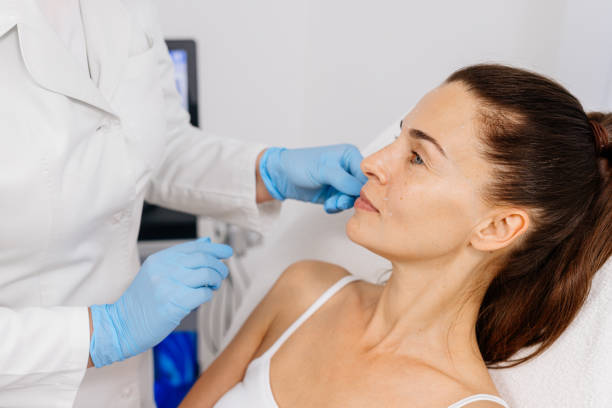
Botox injections are widely used in cosmetic treatments to soften expression lines and create a refreshed appearance without surgery. Although the procedure is familiar to many people, understanding the science behind it can help patients make informed decisions about treatment. Botox Injections in Riyadh (حقن البوتوكس في الرياض) may help reduce the appearance of forehead lines, frown lines, and crow’s feet by temporarily changing how selected facial muscles receive signals from nerves. From the way the treatment works at the cellular level to the timeline for visible results, learning the science behind Botox provides a clearer understanding of its benefits, limitations, and safety considerations.
What Is Botox and How Does It Work?
Botox is a brand name for a prescription product containing botulinum toxin type A, a purified neurotoxin used in controlled medical applications. In cosmetic treatment, it is administered in carefully selected amounts to reduce activity in specific muscles responsible for dynamic wrinkles.
The Connection Between Nerves and Muscles
Normally, nerves communicate with muscles by releasing a chemical messenger called acetylcholine at the neuromuscular junction. This messenger binds to receptors on muscle cells and triggers contraction. Repeated contractions of facial muscles contribute to expression lines that develop during smiling, frowning, or raising the eyebrows.
Botulinum toxin type A interferes with the release of acetylcholine from nerve endings. As a result, the targeted muscle contracts less strongly for a temporary period. The surrounding skin may then crease less during facial expressions, making certain wrinkles appear softer.
Why the Effect Is Temporary
Botox does not permanently destroy the treated muscles or stop nerve function throughout the body. Instead, its effects are localized to the treated areas when properly administered. Over time, nerve endings gradually recover their ability to release acetylcholine, and muscle movement returns.
This temporary action explains why cosmetic results generally last for several months rather than permanently removing wrinkles.
How Botox Helps Reduce Expression Lines
Dynamic wrinkles form primarily because of repeated facial muscle movements. Botox targets the muscle activity contributing to these lines, which makes it different from treatments designed to improve skin texture or restore facial volume.
Forehead Lines
Horizontal forehead lines appear when the frontalis muscle contracts to raise the eyebrows. Carefully planned Botox injections can reduce excessive activity in this muscle, helping soften the appearance of these lines while aiming to preserve natural eyebrow movement.
Frown Lines Between the Eyebrows
The muscles responsible for drawing the eyebrows inward can create vertical lines between the brows. Botox may reduce contractions in selected muscles in this area, helping the lines look less pronounced when frowning.
Crow’s Feet Around the Eyes
Crow’s feet develop around the outer corners of the eyes, particularly during smiling and squinting. Carefully placed injections can reduce some of the muscle activity responsible for these creases. Treatment around the eyes requires particular care because nearby muscles contribute to normal eyelid function and facial expression.
What Happens After Botox Is Injected?
Botox does not smooth wrinkles immediately. Its effects develop as the medication begins to interfere with nerve-to-muscle signaling.
The Timeline for Visible Results
Some patients notice early changes within several days of treatment. The full cosmetic effect commonly develops over approximately 10 to 14 days, although individual responses vary.
During this period, the targeted muscles gradually become less active. The extent of improvement depends on factors such as muscle strength, injection placement, the treatment area, and the depth of existing wrinkles.
How Long Do the Results Last?
Cosmetic results commonly last around three to four months. Over time, nerve signaling and muscle movement gradually recover, allowing expression lines to become more noticeable again.
Botox Injections in Riyadh may be considered as part of an ongoing cosmetic treatment plan, but repeat appointments should be based on individual response and professional advice rather than an automatic schedule.
Factors That Influence Treatment Results
Although Botox works through a well-established biological mechanism, the visible outcome differs from person to person. Several factors influence how much improvement someone may experience.
Muscle Strength and Facial Anatomy
People have different patterns of facial movement and muscle strength. The practitioner must consider these differences when selecting injection sites and determining an appropriate treatment plan. Incorrect placement or excessive weakening of certain muscles may cause unwanted changes in expression or eyebrow position.
Skin Condition and Wrinkle Depth
Botox generally works best for dynamic wrinkles that appear during muscle movement. Deeper lines that remain visible when the face is relaxed may respond less noticeably because changes in skin elasticity and structure also contribute to their appearance.
Botox does not directly replace lost collagen, restore facial volume, or significantly tighten loose skin. A professional assessment can help determine whether another treatment may better address these concerns.
Is Botox Safe When Administered Correctly?
Botox is generally well tolerated when administered by an appropriately qualified healthcare professional using a suitable, regulated prescription product. However, like other medical treatments, it carries potential risks.
Common and Less Common Side Effects
Temporary side effects may include redness, swelling, tenderness, bruising, or headache. Less common complications include eyelid or eyebrow drooping, facial asymmetry, and unwanted muscle weakness.
Patients should disclose their medical history, allergies, medications, previous cosmetic procedures, and any neuromuscular conditions. A history of swallowing or breathing difficulties is particularly important to discuss. Cosmetic Botox is generally deferred during pregnancy and breastfeeding because safety data are limited.
When to Seek Medical Attention
Seek urgent medical attention if you experience difficulty breathing, swallowing, or speaking, or generalized muscle weakness after treatment. Before proceeding, ensure your practitioner explains the potential risks, expected outcomes, and appropriate aftercare.
Choosing a Qualified Botox Practitioner
Understanding the science is only one part of making an informed decision. The professional administering the treatment must also understand facial anatomy, muscle function, and the appropriate use of prescription products.
Look for a practitioner whose qualifications and authorization can be verified under local regulations. They should review your medical history, explain the expected results, use an appropriate product, and provide clear aftercare instructions. Avoid anyone who guarantees perfect results or recommends treatment without a proper assessment.
Book an Appointment at Royal Clinic Saudia
Learning how Botox works can help you understand whether it may suit your facial rejuvenation goals. At Royal Clinic Saudia ( عيادات رويال كلينك ), you can discuss your concerns, ask questions about the treatment process, and receive guidance based on your individual needs. Botox Injections in Riyadh may help soften dynamic expression lines when administered by an appropriately qualified practitioner following a thorough assessment. Contact Royal Clinic Saudia to arrange a consultation and explore a personalized approach that prioritizes safety, realistic expectations, and natural-looking results.