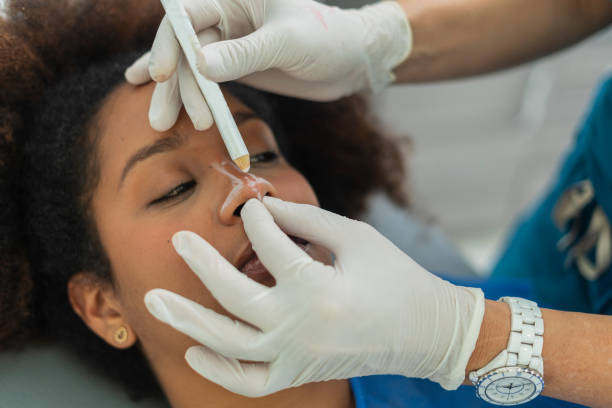
A droopy nose tip can make the nose appear longer, heavier, or less balanced with the rest of the face. It may become more noticeable when smiling or speaking, which can affect how the overall profile looks. For patients considering nose plastic surgery cost in Saudi arabia, understanding why the tip droops and which correction options are available can help set realistic expectations before treatment.
What Is a Droopy Nose Tip?
A droopy nose tip, sometimes called a ptotic nasal tip, occurs when the tip points downward instead of maintaining a balanced position. The appearance can vary from person to person and may be related to the structure of the cartilage, nasal septum, surrounding soft tissues, or changes that develop with age.
What Causes a Droopy Nose Tip?
Nasal Cartilage Structure
The shape and strength of the lower nasal cartilage play an important role in tip position. If the supporting cartilage naturally angles downward, the tip may appear droopy even when the rest of the nose is proportionate.
Effects of Aging
As facial tissues change with age, the skin and supporting structures can lose some of their firmness. These changes may cause the nasal tip to gradually rotate downward.
Tip Movement During Smiling
Some people notice that their nasal tip drops more when they smile. This can occur because of the interaction between muscles around the nose and the structures supporting the tip.
Previous Nasal Changes
In some cases, trauma or previous nasal surgery can affect the support and position of the nasal tip. A detailed assessment is important to determine the underlying structural cause.
How Is a Droopy Nose Tip Corrected?
Rhinoplasty can be used to reshape and reposition the nasal tip by modifying its supporting structures. The specific technique depends on whether the problem is related primarily to cartilage, the septum, soft tissue, or a combination of factors.
Tip Rotation
One common objective is to rotate the nasal tip slightly upward to create a more balanced angle between the nose and upper lip. The amount of rotation should be carefully planned so that the result remains natural.
Strengthening Nasal Support
Surgeons may use cartilage from the nose or another appropriate source to reinforce the tip when additional structural support is needed. This can help maintain the desired position during healing.
Adjusting the Septum
If the nasal septum contributes to downward tip projection, carefully planned modification may be included as part of the procedure. Addressing the underlying structure can help produce a more stable correction.
Can a Droopy Tip Be Corrected Without Surgery?
Non-surgical approaches may provide temporary changes in some cases, but they cannot reproduce the structural correction achieved through rhinoplasty. Injectable treatments may sometimes alter the visual balance of the nose, but they generally cannot provide the same degree of tip repositioning.
Patients should have an appropriate assessment before choosing any treatment because the cause of the drooping determines which approach is suitable.
What Happens During Rhinoplasty for a Droopy Tip?
During the procedure, the surgeon evaluates the nasal framework and identifies the structures contributing to the downward-pointing tip. Carefully selected cartilage modifications, sutures, or grafting techniques may then be used to improve support and tip position.
The goal is not simply to lift the tip but to create proportion between the nasal tip, bridge, nostrils, upper lip, and other facial features. A conservative approach can help preserve a natural appearance.
How Much Can the Nose Tip Be Lifted?
The amount of correction varies according to the patient's anatomy and the cause of the drooping. Excessive rotation can make the nose look unnatural, while insufficient correction may leave the original concern noticeable.
For this reason, surgeons typically consider the desired tip angle alongside overall facial proportions rather than using one standard measurement for every patient.
What Is Recovery Like?
Swelling and tenderness are common after rhinoplasty, particularly around the nasal tip. The nose may initially appear more elevated than the final result because postoperative swelling can temporarily change its shape.
As healing progresses, swelling gradually decreases and the tip becomes more refined. Because the tip contains delicate soft tissues, it can take longer to settle than some other parts of the nose.
When Will the Final Result Appear?
Initial changes can often be noticed after the early recovery period, but the final appearance develops gradually. Tip swelling may persist for several months, particularly in patients with thicker skin.
Regular follow-up appointments allow the surgeon to monitor healing and determine whether the nose is progressing as expected.
Can a Droopy Nose Tip Return After Rhinoplasty?
A well-planned rhinoplasty aims to create stable structural support, but healing continues for an extended period. Changes in scar tissue, tissue characteristics, aging, or other factors can influence the long-term appearance.
Following postoperative instructions and attending scheduled follow-ups can help support proper healing.
How to Prepare for Droopy Tip Rhinoplasty
Preparation usually begins with a consultation where the surgeon evaluates the nasal structure, breathing, facial proportions, and the specific characteristics of the droopy tip. Patients should clearly explain their aesthetic concerns and any functional nasal issues.
It is also important to discuss previous nasal injuries or surgeries, medications, allergies, and relevant medical history so that the treatment plan can be appropriately tailored.
Is Rhinoplasty for a Droopy Tip Right for You?
Patients who are bothered by a downward-pointing nasal tip and have realistic expectations may be candidates for rhinoplasty. However, suitability depends on individual anatomy, overall health, nasal function, and the cause of the tip position.
A professional evaluation is necessary before deciding which technique or combination of techniques is appropriate.
Final Thoughts on Droopy Nose Tip Correction
A droopy nasal tip can result from several structural and soft-tissue factors, so correction needs to be customized rather than based on a single technique. With careful planning, rhinoplasty can improve tip position while maintaining harmony with the rest of the face. For those exploring Rhinoplasty in Riyadh, an individualized consultation can help clarify the available treatment options and expected healing process.
Book a Rhinoplasty Consultation at Royal Clinic Saudia
If a droopy nose tip affects your confidence or facial balance, Royal Clinic Saudia can provide a consultation to discuss your concerns, assess your nasal structure, and develop an appropriate treatment plan based on your individual needs.
FAQs:
Can rhinoplasty lift a droopy nose tip?
Yes. Rhinoplasty can reposition and support a droopy nasal tip by modifying the underlying cartilage and other supporting structures.
Why does my nose tip droop when I smile?
The downward movement may be related to muscles around the nose and the way they interact with the nasal tip. An assessment can help identify the specific cause.
Does a droopy nose tip always require surgery?
Not necessarily. Treatment depends on the cause and the degree of correction desired. Surgical rhinoplasty provides structural repositioning, while some non-surgical approaches may offer temporary visual changes.
How long does a lifted nose tip take to settle?
The tip can remain swollen for several months after rhinoplasty. The final shape generally becomes clearer gradually as swelling resolves and the tissues mature.