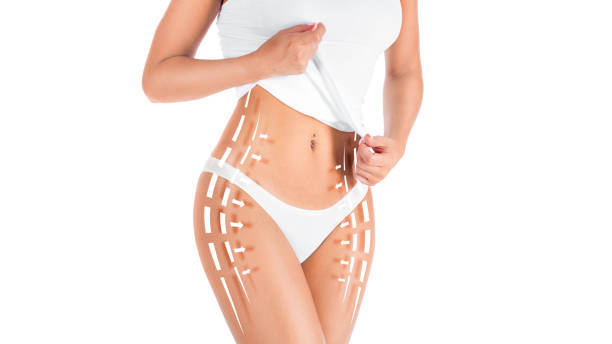
Liposuction can help improve body contours by removing localized fat deposits from areas such as the abdomen, thighs, hips, arms, and back. However, achieving a satisfying outcome involves more than the surgical procedure itself. Proper aftercare, adequate rest, and following medical instructions are essential for safe healing. People researching liposuction in riyadhshould understand that recovery varies according to the treatment area, surgical technique, amount of fat removed, and individual health. Preparing for the healing process can help patients feel more confident and recognize what to expect after surgery.
The recovery period allows the body to heal, swelling to gradually decrease, and the treated areas to develop their new contours. Bruising, tenderness, temporary fluid drainage, and swelling may occur during the early stages. Following your surgeon's instructions can help reduce avoidable complications and support a smoother recovery. Understanding Best Liposuction in Riyadh also means choosing a provider who explains postoperative care, schedules follow-up appointments, and offers guidance if concerns arise. Remember that healing takes time, and patience is important when evaluating the final results.
What to Expect After Liposuction
After liposuction, the treated areas may feel tender, swollen, or bruised. Some patients experience temporary numbness or fluid drainage from small incision sites. These effects generally improve gradually, although the recovery timeline differs between individuals. Your surgeon may recommend compression garments to help manage swelling and support the treated areas. Follow the instructions provided for wearing these garments and caring for incisions. Contact your medical team if symptoms worsen instead of improving.
Follow Your Surgeon's Aftercare Instructions
Your surgeon's postoperative instructions should guide every stage of your recovery. These instructions may cover medication, wound care, compression garments, bathing, physical activity, and follow-up appointments. Take prescribed medication exactly as directed and never change your medication schedule without medical advice. Keep incision sites clean according to the instructions you receive, and avoid applying unapproved creams or products. Attending follow-up visits allows your medical team to monitor healing and identify potential concerns early.
Wear Compression Garments as Directed
Compression garments are commonly recommended after liposuction to help control swelling and support the treated areas while healing progresses. The correct garment, fit, and duration of use depend on your procedure and your surgeon's recommendations.
Choose the Correct Fit
Your garment should fit as instructed by your medical team. Excessive tightness, significant discomfort, skin discoloration, or breathing difficulties should not be ignored. Contact your surgeon if the garment appears to restrict circulation or causes unusual symptoms.
Follow the Recommended Schedule
Wear your compression garment for the period advised by your surgeon. Do not discontinue it early or extend its use without professional guidance. Consistent, appropriate use may support recovery, but it does not guarantee a particular cosmetic result.
Maintain a Balanced Diet and Stay Hydrated
Good nutrition supports the body's normal healing processes. Include protein-rich foods, vegetables, fruits, and other nutrient-dense options in your meals. Protein supports tissue repair, while a balanced diet provides vitamins and minerals needed for recovery. Drink fluids regularly unless your medical team has advised you to restrict them. Avoid crash diets or extreme eating plans during recovery, as they may interfere with your nutritional needs. Ask your healthcare professional whether you need any dietary adjustments.
Rest Well and Return to Activity Gradually
Rest is important during the initial recovery period, but prolonged immobility can increase the risk of complications. Your surgeon may encourage gentle walking soon after surgery when it is safe, as movement helps support circulation. Begin with short, comfortable walks and increase activity gradually according to medical advice.
Avoid Strenuous Exercise Initially
Heavy lifting, intense workouts, and vigorous physical activity should be avoided until your surgeon confirms that you can resume them safely. Returning too soon may worsen swelling, increase discomfort, or interfere with healing.
Prioritize Quality Sleep
Getting adequate sleep gives your body time to recover. Choose a comfortable resting position that does not put unnecessary pressure on treated areas or incision sites. Follow any positioning recommendations provided by your medical team.
Manage Swelling and Bruising Safely
Swelling and bruising are common after liposuction and usually improve gradually. Follow your surgeon's advice about compression, movement, rest, and any approved pain-relief measures. Do not apply ice packs, heat, or massage directly to treated areas unless your medical team confirms that it is appropriate. Avoid judging your final body shape during the early recovery period because swelling can temporarily affect the appearance of the treated areas.
Keep Incision Sites Clean
Proper incision care helps reduce the risk of infection. Follow your surgeon's instructions for cleaning, dressing changes, bathing, and showering. Avoid swimming or soaking incision sites until you receive medical clearance. Do not pick at scabs or remove dressings earlier than advised. Contact your medical team if you notice increasing redness, warmth, worsening pain, pus, or an unusual smell around an incision.
Recognize Warning Signs During Recovery
Although many patients recover without serious problems, liposuction can cause complications. Seek urgent medical attention for chest pain, sudden shortness of breath, fainting, or significant breathing difficulties. Contact your surgeon promptly if you develop fever, worsening pain, spreading redness, unusual wound discharge, or rapidly increasing swelling. Severe or unexpected symptoms should never be dismissed as a normal part of recovery. Early medical assessment can be important when complications develop.
How Long Does Liposuction Recovery Take?
Recovery depends on the extent of treatment, the technique used, and individual healing. Many patients gradually return to routine activities over several days to a few weeks, depending on their surgeon's advice and the nature of their work. Swelling can persist for several months, so the final contours may not become clear immediately. When considering Best Liposuction in Riyadh, ask your surgeon for a recovery plan tailored to your procedure, including when you can return to work, exercise, and other daily activities.
Maintain Your Results After Recovery
Liposuction removes fat cells from treated areas, but remaining fat cells can still enlarge with weight gain. Maintaining a stable weight, eating balanced meals, staying physically active, and attending recommended follow-up visits can help preserve your results. Avoid rushing into intense exercise or restrictive diets while healing. Long-term success depends on realistic expectations and sustainable habits rather than quick changes. Your surgeon can advise when to resume your usual fitness routine safely.
Choosing Professional Support for Liposuction Recovery
When researching Best Liposuction in Riyadh, consider not only the surgical procedure but also the quality of postoperative support. A reliable provider should explain recovery instructions clearly, arrange appropriate follow-up visits, and tell you how to seek help if concerns arise. Ask about the recommended compression schedule, activity restrictions, wound care, and warning signs before surgery. Choosing qualified medical professionals and following their guidance can support safer healing, although no recovery process is entirely free of risk.
Book Your Consultation at Royal Clinic Saudia
If you are considering liposuction or want to understand the recovery process, contact Royal Clinic Saudia to inquire about consultation availability and the cosmetic services offered. A qualified medical professional can discuss your goals, explain postoperative care, and provide guidance about treatment suitability, possible risks, and healing expectations. Arrange a consultation to receive advice tailored to your individual needs.
FAQs:
How long does liposuction recovery take?
Initial recovery often takes a few weeks, while swelling may last several months.
When can I exercise after liposuction?
Resume exercise gradually after your surgeon confirms it is safe.
Are swelling and bruising normal after liposuction?
Yes, they are common and usually improve gradually.
When should I contact my surgeon?
Seek advice for worsening pain, fever, spreading redness, or unusual discharge. Get urgent care for chest pain or breathing difficulties.