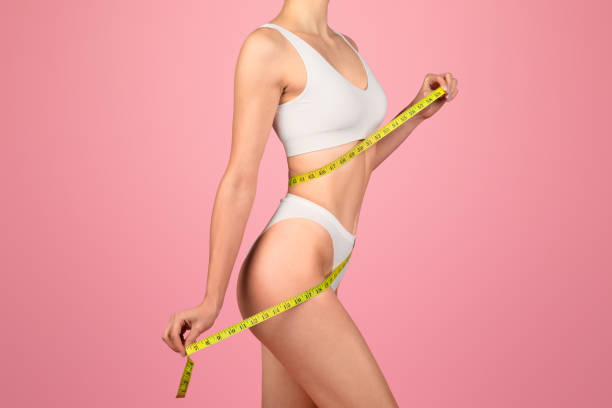
Thigh liposuction is a body-contouring procedure designed to reduce localized fat deposits around the thighs and create more balanced leg contours. It may be considered when certain areas of thigh fat remain despite regular exercise and healthy eating. A Liposuction procedure in Riyadh (عملية شفط الدهون في الرياض) can target specific fat deposits, but it is not intended to replace overall weight management.
Which Parts of the Thighs Can Be Treated?
Liposuction may be used on different areas of the thighs depending on the patient's anatomy and goals. Common areas include the inner thighs, outer thighs, and areas near the front or back of the thighs. Treatment may sometimes extend to nearby areas to create smoother transitions.
Inner Thighs
Localized fat on the inner thighs can cause the legs to appear fuller or create increased contact between the thighs. Carefully planned liposuction may reduce excess fat in this area while preserving natural proportions.
Outer Thighs
The outer thighs can develop localized deposits that contribute to a wider appearance around the hips and upper legs. Treating this region may help create a smoother transition between the hips, thighs, and lower body.
What Are the Benefits of Thigh Liposuction?
One potential benefit is targeted reduction of localized fat that may be resistant to lifestyle changes. By selectively removing fat cells, liposuction can improve the contour of the treated area and create a more proportionate appearance.
Improved Body Contours
Thigh liposuction focuses on shaping rather than simply reducing body weight. The surgeon can strategically address specific deposits to create smoother contours that complement the surrounding areas.
Long-Lasting Fat Reduction
Fat cells removed during liposuction are permanently eliminated from the treated area. However, remaining fat cells can enlarge with significant weight gain, so maintaining a relatively stable weight is important for supporting long-term results.
Who May Be a Suitable Candidate?
Thigh liposuction may be considered for adults who are in generally good health, have relatively stable weight, and have localized fat deposits that do not respond sufficiently to healthy lifestyle habits. Patients should also have realistic expectations about what the procedure can and cannot achieve.
The Importance of Skin Elasticity
Skin elasticity is an important consideration because liposuction removes fat but does not remove significant amounts of excess skin. Patients with good skin elasticity may experience better adaptation of the skin to the newly contoured area.
Can Liposuction Treat Cellulite on the Thighs?
Liposuction should not be considered a primary treatment for cellulite. Cellulite involves changes in the structure of the skin and underlying connective tissue, so simply removing fat does not necessarily eliminate its appearance. Your surgeon can explain whether liposuction is appropriate if cellulite is one of your main concerns.
What About Loose Skin?
If the thighs have substantial skin laxity, removing fat alone may not produce the desired appearance. Depending on the degree of loose skin, your specialist may discuss alternative or additional body-contouring approaches.
What Happens During Thigh Liposuction?
After appropriate preparation and anesthesia, the surgeon makes small incisions and inserts a thin cannula into the targeted fatty tissue. Fat is carefully removed from selected areas while the surgeon works to maintain smooth and balanced contours.
Why Careful Planning Matters
The thighs have complex contours, and removing too much fat from one area can create visible irregularities or affect overall proportions. The goal is controlled contouring rather than maximum fat removal.
What Is Recovery Like?
Swelling, bruising, tenderness, tightness, and temporary changes in skin sensation are common after thigh liposuction. Compression garments may be recommended to provide support and help manage swelling during recovery.
Returning to Daily Activities
Light movement may be encouraged during the early recovery period, while strenuous exercise and heavy physical activity should generally wait until your surgeon provides clearance. The timeline for returning to work and exercise depends on the extent of treatment and individual healing.
When Will You See the Results?
Early swelling can make the thighs appear larger or less even than expected immediately after surgery. As swelling decreases and tissues settle, the contours gradually become clearer. It can take time for the final appearance to develop, so early postoperative changes should not be mistaken for the final outcome after a Liposuction procedure in Riyadh.
Maintaining the Results
Once you have fully recovered, regular physical activity and balanced nutrition can help maintain a stable weight. Significant weight fluctuations can affect the treated and untreated areas and may change the overall contour of the thighs.
What Are the Considerations and Risks?
As with other surgical procedures, thigh liposuction carries potential risks. These may include infection, bleeding, fluid accumulation, temporary or persistent changes in sensation, contour irregularities, scarring, and complications associated with anesthesia.
Choosing an Appropriate Treatment Plan
The surgeon should assess your health, skin quality, fat distribution, and expectations before recommending treatment. Treating both thighs symmetrically and considering surrounding areas can be important for achieving balanced contours.
How Should You Prepare for Thigh Liposuction?
Preparation may involve following instructions about medications, supplements, smoking, eating and drinking, transportation, and postoperative support. Your surgeon will provide instructions tailored to your procedure and medical circumstances.
Plan for Your Recovery
Arrange enough time away from demanding activities and prepare comfortable clothing and any recommended compression garments before surgery. Having appropriate support at home can also make the early recovery period easier.
Book an Appointment at Royal Clinic Saudia
If you are concerned about localized thigh fat and want to explore your options, Royal Clinic Saudia () can provide a personalized consultation. A qualified specialist can assess your thighs, skin elasticity, body proportions, and goals before discussing whether a Liposuction procedure in Riyadh is appropriate for you.
FAQs:
Can liposuction make the thighs slimmer?
Thigh liposuction can reduce localized fat deposits and may create a slimmer or more defined contour in appropriately selected patients. The degree of change varies according to individual anatomy.
Can both inner and outer thighs be treated?
Both areas may be treated when appropriate, although the surgeon must determine whether combining treatment areas is suitable based on your health and overall surgical plan.
Does thigh liposuction remove cellulite?
Liposuction is not a dedicated cellulite treatment. Cellulite involves the skin and connective tissue as well as fat, so its appearance may persist after fat removal.
How long does it take to recover from thigh liposuction?
Recovery varies from person to person. Swelling and bruising can persist for several weeks, while more strenuous activities may require additional time before they can be safely resumed.