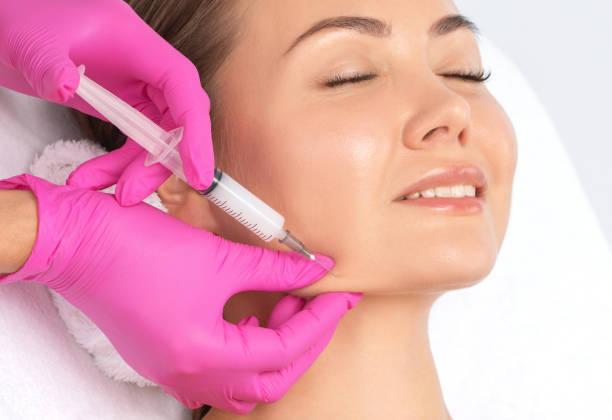
Jawline fillers can enhance facial definition, improve the appearance of a less-defined jawline, and create a more balanced lower-face contour without surgery. However, the best results are not necessarily the most dramatic. Jawline Fillers Injections in Riyadh should be planned around your natural facial structure, skin quality, and personal aesthetic goals to achieve subtle, proportionate enhancement.
Natural-looking results depend on several factors, including the practitioner's experience, appropriate filler selection, precise placement, and the amount of product used. A carefully planned treatment can enhance existing features without making the jawline appear excessively wide, angular, or heavy. Understanding these factors can help you make informed decisions before undergoing treatment.
What Makes Jawline Filler Results Look Natural?
A natural-looking jawline complements the rest of the face rather than drawing attention to itself. The chin, cheeks, jaw angle, and lower facial contour all influence the final appearance.
For some people, subtle definition along the jawline may be sufficient. Others may benefit from addressing specific areas of volume loss or unevenness. There is no single ideal jawline shape because facial proportions differ between individuals.
The aim should be to preserve your natural appearance while making carefully considered improvements. Adding more filler does not automatically produce better definition and can sometimes make the lower face look disproportionate.
Choose an Experienced Medical Professional
The person performing the procedure plays an important role in both the aesthetic outcome and patient safety. Jawline filler injections require knowledge of facial anatomy, appropriate injection techniques, product characteristics, and the management of potential complications.
Before choosing a provider, consider the following:
-
Verify their medical qualifications and relevant experience with dermal fillers.
-
Ask to see authentic before-and-after photographs of previous patients.
-
Discuss the risks, expected results, and limitations of treatment.
-
Confirm that the provider uses properly sourced products and follows appropriate hygiene practices.
-
Ask how complications are recognized and managed.
The U.S. Food and Drug Administration recommends receiving dermal fillers from a licensed healthcare professional with appropriate training and experience. Fillers are medical devices, and injections should not be performed in nonmedical settings or by unqualified individuals.
Focus on Facial Balance Rather Than a Dramatic Jawline
Consider Your Chin and Cheeks
The jawline should be assessed as part of the entire face. A chin that appears relatively small, prominent cheeks, or existing facial width can influence how jawline enhancement looks.
A qualified practitioner can assess these relationships and determine whether jawline filler alone may be suitable. Additional treatments should not be assumed necessary simply because several areas contribute to facial proportions.
Respect Your Natural Facial Shape
Different face shapes require different approaches. A naturally broad jaw may need little additional volume, while a softer jawline may benefit from carefully selected areas of enhancement.
Your treatment plan should reflect your existing anatomy and desired appearance rather than attempt to copy someone else's results. This can help avoid an overly square or exaggerated lower face.
Use a Conservative, Individualized Treatment Plan
One of the most important principles for natural-looking results is avoiding unnecessary filler volume. A conservative approach allows the practitioner to focus on the areas that may benefit from enhancement while minimizing the risk of overfilling.
The amount of filler required varies according to facial structure, the product selected, and the treatment objectives. Small, carefully planned amounts may be appropriate in some cases, but the correct approach must be determined by a qualified practitioner after an assessment.
It is also important not to rush into additional injections. Swelling can temporarily affect the appearance of the jawline, so your provider should advise you when the results can be reviewed reliably.
Select the Appropriate Filler
Different dermal fillers have different properties, including firmness, flexibility, and how they integrate with surrounding tissue. The most suitable product depends on the intended result, the treatment area, and the individual's medical and aesthetic needs.
Your provider should explain the product being used, whether it is appropriate for the intended area, how long its effects may last, and whether it can be dissolved or otherwise managed if a problem occurs.
Many commonly used fillers are temporary, but their duration varies. Some filler materials are more difficult to remove than others, making careful product selection especially important.
Follow Proper Aftercare Instructions
Following your practitioner's aftercare advice can support recovery and help you recognize possible complications. Mild swelling, bruising, tenderness, and redness may occur after treatment and often improve over time.
For a smoother recovery:
-
Follow the specific aftercare instructions provided by your clinician.
-
Avoid unnecessary pressure or manipulation of the treated area.
-
Ask your provider when to resume strenuous exercise or other activities.
-
Attend any recommended follow-up appointment.
-
Contact your provider if swelling, pain, or other symptoms worsen rather than improve.
Seek urgent medical attention if you experience severe or unusual pain, pale or blue-gray skin near the injection site, vision changes, or symptoms that could indicate a stroke. These may be signs of a rare but serious filler complication.
Understand the Limitations of Jawline Fillers
Jawline fillers add volume and can improve selected contours, but they do not remove excess fat or reliably correct significant loose skin. They also cannot change the underlying jawbone structure permanently.
People with substantial skin laxity, pronounced asymmetry, or concerns related to jaw alignment may need to discuss other options with an appropriate medical professional. A consultation should include an honest discussion of what fillers can realistically achieve and whether another treatment may be more suitable.
Individuals considering Jawline Fillers Injections in Riyadh should prioritize safety, realistic expectations, and facial harmony over dramatic changes.
Book a Consultation at Royal Clinic Saudia
If you are considering jawline enhancement, can be a starting point for discussing your aesthetic goals and available treatment options. During your consultation, ask about practitioner qualifications, filler selection, the proposed treatment plan, potential risks, and follow-up care. An individualized assessment can help you understand whether jawline fillers are suitable for your facial features.
FAQs:
How can I make my jawline fillers look natural?
Choose a qualified medical professional, discuss your preferred outcome clearly, and follow an individualized treatment plan. Conservative enhancement that respects your natural facial proportions can help avoid an overly prominent jawline.
How much filler is needed for natural-looking jawline definition?
The amount varies according to facial anatomy, the product used, and the areas being treated. There is no universal amount that suits everyone. A qualified practitioner should determine the appropriate volume after assessing your face.
Do jawline fillers look natural immediately after treatment?
Results may be visible soon after injection, but swelling and bruising can temporarily affect the appearance. The final contour should be assessed after the initial recovery period, following your provider's guidance.
Can jawline fillers be reversed if I dislike the results?
Some hyaluronic acid fillers can be dissolved with an enzyme called hyaluronidase. However, this does not apply to every filler material, and correction has its own risks. Discuss the product's reversibility and available options with your provider before treatment.