8 minutes, 45 seconds
-59 Views 0 Comments 0 Likes 0 Reviews
Facial harmony depends on the way individual features relate to one another. Because the nose occupies a central position on the face, its size, shape, projection, and proportions can influence overall appearance. Rhinoplasty in Riyadh (كم سعر عملية تجميل الأنف في السعودية) can be customized to address specific nasal features while considering the relationship between the nose and surrounding facial structures.
Facial proportions describe how different features relate in terms of size, position, width, and projection. The nose interacts visually with the forehead, cheeks, lips, chin, and jawline, so changes to its shape can influence the overall balance of the face.
For example, a prominent nasal bridge may draw more attention to the center of the face, while a wide nasal structure may appear more noticeable in relation to narrower facial features. Rhinoplasty planning considers these relationships rather than focusing on the nose in isolation.
Rhinoplasty involves reshaping or restructuring parts of the nose to address aesthetic or functional concerns. Depending on the individual's anatomy, treatment may modify the bridge, nasal tip, nostrils, or overall nasal projection.
Rhinoplasty in Riyadh can therefore be planned around the patient's facial proportions. A surgeon may recommend subtle changes designed to make the nose more harmonious with the rest of the face rather than pursuing an overly dramatic transformation.
The exact approach depends on factors such as nasal structure, skin characteristics, facial anatomy, and the patient's goals.
The side profile is an important part of facial proportion. The relationship between the forehead, nasal bridge, nasal tip, lips, and chin can affect how balanced the profile appears.
Rhinoplasty may address concerns such as a prominent bridge, nasal hump, excessive projection, or a less-defined tip. Adjustments are carefully planned so that changes to one area do not create disproportion with another.
A balanced profile does not necessarily mean having a completely straight or very small nose. Instead, the goal may be to create a profile that naturally complements the individual's other facial features.
The nasal tip can have a significant effect on facial appearance. Concerns may include excessive width, asymmetry, downward orientation, or insufficient definition.
Tip refinement can be performed according to the patient's nasal cartilage and skin characteristics. Because the tip also contributes to nasal support, changes need to be carefully planned.
A proportionate nasal tip should complement the bridge and surrounding facial features rather than appear overly narrow or artificially defined.
Nasal width can affect the appearance of facial proportions when viewed from the front. Some patients may feel that their nose appears too broad compared with their cheeks or other facial features.
Depending on the anatomy, rhinoplasty may involve carefully reshaping the nasal framework or modifying the appearance of the nostrils. The amount of correction should be determined individually because excessive narrowing can affect both appearance and nasal function.
Facial symmetry is another factor considered during rhinoplasty planning. Natural faces commonly have small differences between the two sides, and the nose may also have some degree of asymmetry.
A surgeon may assess the nose from multiple angles to identify structural differences. While rhinoplasty can improve certain forms of nasal asymmetry, complete facial symmetry is not always realistic.
The objective is generally to create a more balanced appearance that fits the patient's natural anatomy.
There is no single nose shape that suits everyone. Facial width, chin projection, cheek structure, skin thickness, and other characteristics can influence how a particular nasal shape appears.
For this reason, Rhinoplasty in Riyadh should be based on an individualized assessment. Instead of copying another person's nose, the treatment plan can focus on changes that complement the patient's existing facial characteristics.
During consultation, patients can discuss their concerns, desired changes, and expectations with the surgeon. This helps establish realistic treatment goals.
The same nasal modification may produce different visual effects depending on the rest of the face. For instance, increasing or decreasing nasal projection can influence how the nose relates to the chin and lips in profile.
Similarly, changes to nasal width may affect how the center of the face relates to the cheeks. These relationships demonstrate why comprehensive facial assessment is important before surgery.
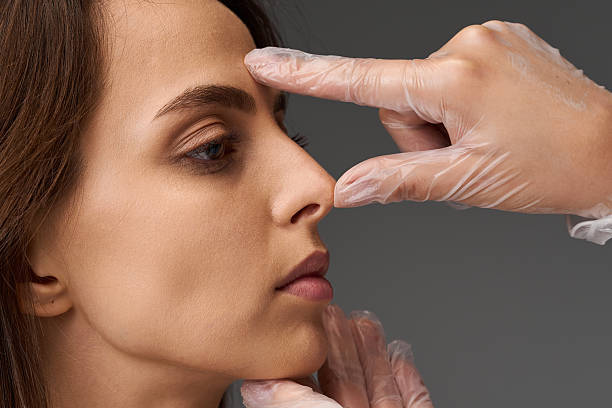
A surgeon may consider the face from frontal, profile, and angled views when developing the treatment plan.
Swelling and bruising are common after rhinoplasty, and the early appearance of the nose may not represent the final outcome. As healing progresses, swelling gradually decreases and the nasal tissues settle.
Patients should follow postoperative instructions carefully and protect the nose during the healing period. Follow-up appointments allow the surgeon to monitor recovery and assess changes over time.
Patience is important because subtle swelling can persist while the nose continues to heal.
Choosing a suitably qualified and experienced surgeon is an important part of the rhinoplasty journey. Patients should consider relevant training, experience with nasal surgery, surgical approach, and the ability to develop individualized treatment plans.
A consultation is also an opportunity to discuss potential risks, recovery expectations, functional considerations, and realistic outcomes before deciding whether surgery is appropriate.
If you are considering rhinoplasty to address concerns about nasal shape or facial harmony, a personalized consultation can help you understand your options. Rhinoplasty in Riyadh can be tailored to your facial structure, nasal anatomy, and individual aesthetic goals. Book your appointment with Royal Clinic Saudia (عيادات رويال كلينك) to discuss your concerns and explore an appropriate treatment plan.
Can rhinoplasty change overall facial proportions?
Rhinoplasty primarily changes the nose, but because the nose is centrally positioned, improving its proportions can influence the overall visual balance of the face.
Does facial shape affect rhinoplasty planning?
Yes. Facial width, chin projection, cheek structure, and other characteristics can influence which nasal proportions may look harmonious.
Can rhinoplasty improve an uneven nose?
Rhinoplasty can address certain forms of nasal asymmetry, although complete symmetry is not always achievable.
How long does it take to see the final result?
The nose continues to heal after surgery, and swelling can gradually decrease over time. The final appearance may take longer to become fully established.
افضل دكتور تجميل انف بالرياض سعر عملية تجميل الأنف في الرياض كم سعر الخشم بالريال السعودي
Get access to our community on your smart mobile phones and access all the features quickly easily accessible within your palm.
Queue
A social network for unique people and their unique things.
Browse through the features and post things that are unique to you.
UniqueThis, Inc. ©2026