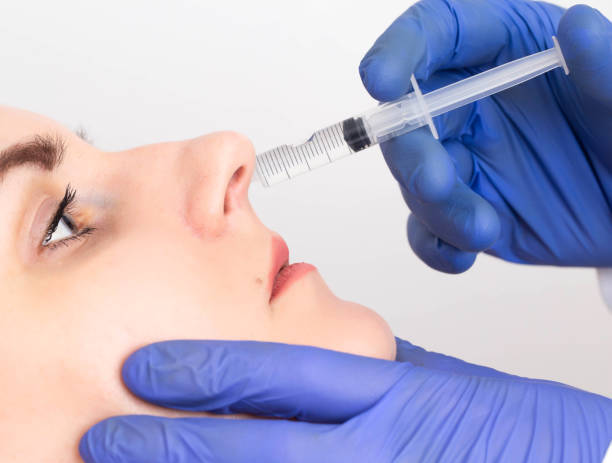
Rhinoplasty is a popular surgical procedure that can reshape the nose, improve facial balance, and address certain breathing problems. Despite its popularity, many misconceptions surround the procedure, including unrealistic expectations about recovery, pain, results, and potential risks. Believing these myths can make it difficult for patients to make informed decisions about nose surgery. Understanding the facts helps individuals approach treatment with realistic expectations and greater confidence. If you are considering Rhinoplasty in Riyadh, learning the truth behind common misconceptions can help you prepare for a consultation and understand what the procedure can realistically achieve.
Myth 1: Rhinoplasty Is Only for Cosmetic Reasons
One common misconception is that rhinoplasty is performed exclusively to improve appearance. While many patients choose surgery to change the size, shape, or proportions of their nose, rhinoplasty may also address certain functional concerns.
For example, surgery may be recommended to correct structural problems that contribute to nasal obstruction. Depending on the diagnosis, a surgeon may reshape the external nose, address internal structures, or combine cosmetic and functional procedures. Not every breathing problem requires rhinoplasty, so a proper examination is necessary to identify the most appropriate treatment.
Myth 2: Rhinoplasty Results Look Unnatural
Some people believe that nose surgery always creates an artificial appearance. In reality, outcomes vary depending on the patient's anatomy, surgical planning, technique, and healing process.
A carefully planned procedure aims to create a nose that complements the person's facial features rather than following one standard shape. Patients should communicate their goals clearly and discuss what is realistic for their facial proportions. Although surgeons can work toward a natural-looking result, no specific appearance or degree of symmetry can be guaranteed.
Myth 3: Rhinoplasty Is Extremely Painful
Fear of severe pain can discourage people from exploring rhinoplasty. However, patients often describe postoperative discomfort as pressure, congestion, or tenderness rather than intense pain.
The experience varies from person to person and depends on the extent of surgery. Swelling, bruising, and nasal congestion are common during early recovery. Your surgeon may recommend appropriate medication and aftercare measures to manage discomfort. Severe or worsening pain should not be ignored and should be reported to the surgical team.
Myth 4: Recovery Takes Only a Few Days
Although some patients return to light daily activities relatively soon, complete recovery takes considerably longer. Initial swelling and bruising often improve over the first one to two weeks, but residual swelling may continue for months.
The nasal tip can take particularly long to settle, and subtle changes may continue for a year or longer. Recovery timelines depend on the surgical technique, the extent of structural changes, and individual healing. Patients should follow medical advice before returning to strenuous exercise, contact sports, or activities that could injure the nose.
Myth 5: Rhinoplasty Results Are Immediately Visible
The shape of the nose immediately after surgery does not represent the final result. Swelling, bruising, dressings, and temporary tissue changes can make the nose appear larger or less defined than expected.
As healing progresses, swelling gradually decreases and the nasal contours become clearer. It is important to attend follow-up appointments and avoid judging the outcome too early. Patience is essential because the final appearance may take many months to develop.
Myth 6: Rhinoplasty Is Suitable for Everyone
Not everyone is an appropriate candidate for rhinoplasty at every stage of life. Suitability depends on factors such as facial development, overall health, nasal anatomy, personal goals, and the ability to follow postoperative instructions.
Surgeons generally recommend waiting until facial growth is sufficiently complete. Certain medical conditions or factors that increase surgical risk may require additional assessment or treatment before surgery. A consultation helps determine whether the procedure is appropriate and whether the patient's expectations are realistic.
Myth 7: Rhinoplasty Always Improves Breathing
Another misconception is that changing the appearance of the nose automatically improves airflow. Cosmetic rhinoplasty does not necessarily correct internal problems that affect breathing.
Some surgical changes can improve nasal function, while others may have no effect on breathing or could contribute to obstruction if structural support is compromised. Patients with congestion or difficulty breathing should undergo an appropriate evaluation. When functional concerns are present, the surgeon can discuss whether septoplasty or another procedure may be suitable.
Myth 8: The Nose Will Remain Perfectly Symmetrical
Perfect facial symmetry is uncommon, and natural differences between the two sides of the nose are normal. Rhinoplasty may improve visible asymmetry, but complete symmetry cannot be guaranteed.
Healing can also occur unevenly, and temporary swelling may make one side appear different from the other. Existing anatomy, skin characteristics, scar tissue, and previous injuries can affect the final shape. A realistic surgical plan focuses on improvement and balance rather than promising absolute perfection.
Myth 9: Rhinoplasty Leaves Obvious Scars
Many patients worry that surgical scars will be clearly visible. The location of incisions depends on the technique used.
In closed rhinoplasty, incisions are made inside the nostrils. Open rhinoplasty typically includes a small incision across the tissue between the nostrils, which generally heals with a scar that becomes less noticeable over time. Scar appearance varies with individual healing, and scars may not disappear completely. Your surgeon can explain incision placement and appropriate scar care.
Myth 10: A Revision Procedure Is Always Easy
Some people assume that any unsatisfactory result can be corrected easily with another operation. Revision rhinoplasty can be more complex than the initial procedure because scar tissue, altered anatomy, and limited cartilage may make further changes more challenging.
A revision may be considered when there are persistent cosmetic concerns or functional problems, but additional surgery is not always necessary or advisable. The nose must have adequate time to heal before a revision is assessed, and the timing depends on the circumstances. A qualified surgeon can explain the potential benefits, limitations, and risks.
How to Separate Rhinoplasty Facts From Myths
Reliable information is essential when considering any surgical procedure. Instead of relying solely on social media posts or other people's experiences, consult a qualified surgeon who can assess your individual needs.
Before surgery, ask about the recommended technique, expected recovery, potential complications, functional considerations, and limitations of the results. Review before-and-after photographs as examples rather than guarantees, since every patient's anatomy and healing process are different. Being informed allows you to make decisions based on medical advice rather than unrealistic promises.
Book a Rhinoplasty Consultation at Royal Clinic Saudia
If you are considering Rhinoplasty in Riyadh, Royal Clinic Saudia can help you understand the procedure, address common concerns, and explore treatment options based on your goals and nasal anatomy. Book a consultation to discuss your expectations, learn about recovery, and receive personalized guidance from the clinical team.
FAQs:
Is rhinoplasty a safe procedure?
Rhinoplasty is commonly performed, but it carries risks like any surgery, including bleeding, infection, anesthesia-related complications, breathing changes, and dissatisfaction with the appearance. A qualified surgeon can explain the risks relevant to your health and procedure.
Can rhinoplasty change my entire facial appearance?
Rhinoplasty changes the shape or proportions of the nose and may influence overall facial balance. It does not change every facial feature, and the extent of improvement depends on your anatomy and the planned procedure.
Will I need to take time off work after rhinoplasty?
Many patients take about one to two weeks away from work or school, depending on swelling, bruising, the nature of their activities, and their surgeon's advice. Physically demanding work may require a longer break.
Can rhinoplasty results change over time?
Yes. Swelling and tissue remodeling can affect the nose's appearance for months after surgery. Aging and other changes may also influence facial features over time, so the final result should be assessed after sufficient healing.