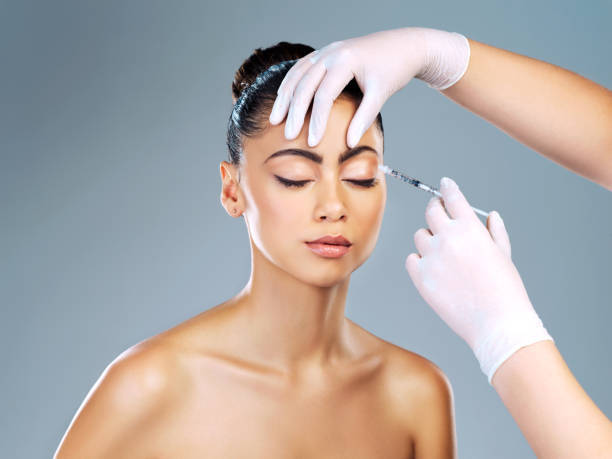
Botox is a popular non-surgical cosmetic treatment for softening expression lines and creating a refreshed appearance. However, some people want to address several skin concerns at once, such as wrinkles, uneven texture, volume loss, or dullness. Combining Botox with other aesthetic treatments may help address different concerns because each procedure works in a different way. For individuals considering Botox injections in Riyadh (حقن البوتوكس في الرياض), understanding which treatments can be combined, how they complement one another, and when they should be performed is important for achieving balanced results. A personalized treatment plan developed by a qualified medical professional can help determine which options are suitable for your skin and aesthetic goals.
Botox temporarily reduces activity in selected facial muscles, helping soften dynamic wrinkles caused by repeated expressions. Other treatments may focus on improving skin texture, stimulating collagen production, or restoring facial volume. Botox injections in Riyadh may be incorporated into a broader aesthetic plan when appropriate, but combining procedures does not automatically produce better results. Treatment selection, timing, medical history, and individual recovery needs must all be considered before proceeding.
How Does Botox Work With Other Aesthetic Treatments?
Botox contains botulinum toxin type A, which temporarily blocks the release of acetylcholine, a chemical messenger involved in muscle contraction. When specific facial muscles become less active, the skin above them folds less during expressions.
Understanding Different Treatment Goals
Botox primarily addresses dynamic wrinkles, such as forehead lines, frown lines, and crow's feet. Other aesthetic treatments target different concerns. Dermal fillers can restore volume or enhance contours, while certain lasers and chemical peels focus on skin texture, pigmentation, or surface imperfections.
Why Combination Treatments May Be Considered
When someone has more than one aesthetic concern, a combination approach may address these concerns more comprehensively than a single procedure. However, every additional treatment can introduce its own risks, so a practitioner should assess whether the expected benefits justify the combined approach.
Botox and Dermal Fillers
Botox and dermal fillers are often discussed together because they work in different ways and may complement one another for selected concerns.
How Dermal Fillers Work
Dermal fillers are injectable products used to restore volume, enhance facial contours, or soften certain folds, depending on the product and treatment area. Many fillers contain hyaluronic acid, a substance that helps attract and retain water in the skin.
How They Can Complement Botox
Botox may soften expression lines caused by muscle movement, while fillers may address volume loss or selected static wrinkles. For example, someone may have forehead lines associated with muscle activity and separate concerns related to facial volume. A qualified practitioner can determine whether one or both treatments are appropriate.
What to Consider Before Combining Them
The correct treatment sequence depends on the areas being treated, the products used, and the individual's medical history. Both treatments carry risks, including bruising, swelling, and other complications. Fillers also have rare but serious risks, including vascular occlusion. They should only be administered by appropriately qualified professionals who can recognize and manage complications.
Botox and Chemical Peels
Chemical peels use selected chemical solutions to exfoliate the skin and improve concerns such as uneven texture, some forms of pigmentation, and certain fine lines.
Different Benefits for the Skin
Botox reduces muscle activity, while chemical peels act on the skin's surface and, depending on the peel, deeper layers. Because their functions differ, a practitioner may consider both treatments for someone who wants to address expression lines and surface skin concerns.
Planning the Treatment Timing
The timing of Botox and a chemical peel depends on the strength of the peel, the skin's condition, and the injection areas. Performing procedures too close together without appropriate guidance may increase irritation or complicate recovery. Your practitioner should recommend a suitable sequence and aftercare plan.
Botox and Laser Skin Treatments
Laser treatments are used for several skin concerns, including uneven pigmentation, visible redness, sun damage, and selected texture changes. The results depend on the type of laser and the condition being treated.
Addressing Different Skin Concerns
Botox can help soften dynamic wrinkles, whereas laser treatments may improve specific surface or deeper skin concerns. A combination may be considered when both muscle-related lines and skin-quality concerns are present.
Why Professional Assessment Matters
Laser treatments vary considerably in intensity and recovery requirements. The practitioner should consider skin type, pigmentation risk, recent procedures, and the areas being treated before recommending a combined plan. The sequence and interval between procedures should be individualized.
Botox and Microneedling
Microneedling uses fine needles to create controlled micro-injuries in the skin, which can stimulate the skin's natural repair response. It may be used to improve certain concerns related to texture and the appearance of scars.
How the Treatments Differ
Botox targets muscle activity, while microneedling focuses on skin texture and repair. They may be considered for different concerns in the same overall treatment plan, but neither treatment replaces the other.
When to Schedule Each Procedure
Microneedling creates temporary skin inflammation, so timing is important when planning it alongside injectable treatments. The appropriate interval depends on the treatment areas, technique, and individual recovery. Follow a qualified practitioner's instructions rather than attempting to combine procedures independently.
Botox and Medical-Grade Skincare
Skincare products can complement cosmetic procedures by supporting hydration, protecting the skin barrier, and reducing sun-related damage.
Sunscreen and Moisturizers
Broad-spectrum sunscreen with SPF 30 or higher helps protect against ultraviolet radiation, which contributes to premature skin aging. Moisturizers help maintain skin hydration and support the skin barrier. These products do not reproduce Botox's muscle-relaxing effect, but they support overall skin health.
Retinoids and Other Active Ingredients
Topical retinoids may improve certain fine lines, uneven texture, and acne-related concerns over time. They can also cause irritation, particularly when introduced too quickly or combined with other strong products. Ask a healthcare professional how to use active ingredients appropriately, especially if your skin is sensitive or you have recently undergone a peel or laser treatment.
Are Combination Aesthetic Treatments Safe?
Combining aesthetic treatments can be appropriate for some people, but the safety of the plan depends on the procedures, timing, products, and individual medical circumstances.
Review Your Medical History
Tell your practitioner about medical conditions, allergies, medications, supplements, previous cosmetic procedures, and any history of reactions to injectables. Some conditions or medications may influence treatment suitability or increase the risk of side effects.
Understand Potential Side Effects
Botox may cause temporary bruising, headache, or localized discomfort, and occasionally eyelid or eyebrow drooping or unwanted muscle weakness. Other procedures have their own risks, including irritation, pigmentation changes, infection, or swelling. Rarely, serious complications can occur. Seek urgent medical attention if you develop difficulty swallowing, speaking, or breathing after Botox treatment.
Avoid Unnecessary Procedures
More treatments do not necessarily mean better results. A responsible practitioner should explain the likely benefits, limitations, alternatives, recovery requirements, and risks of each procedure. It may be safer or more effective to spread treatments over several appointments rather than perform them together.
How to Choose the Right Combination for Your Needs
If you are considering Botox injections in Riyadh, begin with a consultation that focuses on your main concerns and desired outcome. A qualified medical professional can evaluate your facial anatomy and skin condition, identify which concerns may respond to Botox, and determine whether another treatment offers a meaningful additional benefit.
Ask about the recommended sequence, recovery time, possible interactions between procedures, and how results will be evaluated. You should also feel comfortable choosing a simpler plan or declining any procedure that does not fit your needs. The most appropriate approach is one that prioritizes safety, realistic expectations, and individualized care.
Book Your Consultation at Royal Clinic Saudia
Royal Clinic Saudia () can help you explore aesthetic options for expression lines and other skin concerns. Arrange a consultation to discuss whether Botox alone or a carefully planned combination of treatments may suit your goals. A professional assessment can help you understand the available options, expected results, and potential risks before making a decision.
FAQs:
Can Botox and dermal fillers be performed during the same appointment?
They may sometimes be performed during the same appointment, depending on the treatment areas, products, and medical assessment. A qualified practitioner should determine whether combining them is appropriate or whether separate appointments would be preferable.
Can Botox be combined with laser treatment?
In some cases, Botox and laser treatments can be included in the same overall treatment plan. The appropriate timing depends on the laser type, treatment area, and skin condition, so professional guidance is important.
Does combining Botox with other treatments make results last longer?
Not necessarily. Each treatment has its own duration and purpose. Combining procedures may address different concerns, but it does not guarantee that Botox will last longer or that the overall result will be better.
How do I know which aesthetic treatments are right for me?
A consultation with a qualified medical professional can help identify your main concerns, review your medical history, and compare suitable options. The best treatment plan depends on your skin, facial anatomy, goals, and tolerance for recovery and potential risks.