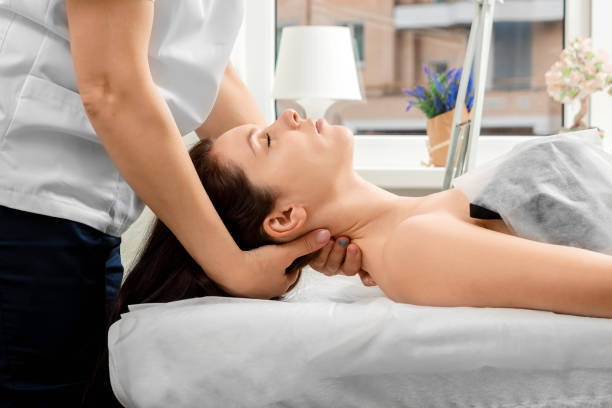
Lymphatic massage is a gentle technique designed to encourage the movement of lymph fluid through the body's lymphatic system. This system helps maintain fluid balance and supports immune function by transporting lymph toward lymph nodes, where it is filtered. People exploring Lymphatic massage in Riyadh (مساج لمفاوي) may consider this treatment for swelling, post-procedure recovery, or general wellness. Understanding how the technique works, its potential benefits, and its limitations can help individuals decide whether it is appropriate for their needs.
What Is Lymphatic Massage?
Lymphatic massage, often called manual lymphatic drainage (MLD), uses light, rhythmic movements to encourage lymph flow through superficial lymphatic vessels. Unlike traditional massage, which may use deeper pressure to address muscle tension, lymphatic drainage generally involves gentle, controlled strokes.
The lymphatic system includes lymph vessels, lymph nodes, and organs that help transport fluid and support immune activity. When lymph circulation or drainage is impaired, fluid can accumulate in tissues and cause swelling. A trained therapist may use lymphatic drainage as part of a broader care plan for selected conditions.
How Does Lymphatic Massage Work?
The therapist applies specific movements to areas of the body to encourage the movement of lymph toward functioning drainage pathways. The approach and sequence depend on the person's condition and treatment goals. Because lymphatic vessels are close to the skin's surface, excessive pressure is generally unnecessary and may be counterproductive.
Lymphatic massage does not directly remove body fat or detoxify the body. The liver, kidneys, lungs, and other organs already perform essential waste-processing functions. The main purpose of clinical lymphatic drainage is to support fluid movement when appropriate.
Key Benefits of Lymphatic Massage
The benefits of lymphatic massage depend on the person's health, the reason for treatment, and the technique used. It can be particularly useful when included in a medically guided plan for certain swelling-related conditions.
Helps Manage Swelling
One of the best-established uses of manual lymphatic drainage is as part of treatment for lymphedema, a condition involving persistent fluid buildup in tissues. Gentle drainage may help manage swelling and discomfort when performed by a suitably trained professional. It is often combined with compression garments, exercise, skin care, and other measures recommended by a healthcare provider.
May Support Recovery After Certain Procedures
Some patients are advised to receive lymphatic drainage after particular surgical or cosmetic procedures to help manage swelling. However, its suitability depends on the procedure, healing stage, and surgeon's instructions. It should never replace postoperative follow-up, and massage should not begin until the treating clinician confirms that it is safe.
Can Promote Relaxation
The slow, gentle movements may help some people feel calmer and more comfortable. Although relaxation can be a welcome benefit, lymphatic massage should not be presented as a treatment for every cause of fatigue, pain, or general discomfort.
May Improve Feelings of Heaviness
People experiencing fluid-related swelling may notice less tightness or heaviness after appropriate treatment. The degree of improvement varies, and lymphatic massage alone may not be enough to manage an underlying condition.
Who May Benefit From Lymphatic Massage?
Lymphatic massage in Riyadh may be worth discussing with a healthcare professional if you experience swelling associated with diagnosed lymphedema or have been advised to receive drainage after a medical procedure. It may also be considered as one component of care for selected conditions affecting lymphatic function.
However, not everyone is a suitable candidate. People with unexplained swelling, active infections, suspected blood clots, or certain heart or kidney conditions should obtain medical advice before receiving lymphatic drainage. In some situations, the technique may be inappropriate until the underlying problem has been evaluated.
When Medical Assessment Is Important
Sudden swelling, particularly in one leg or arm, should not automatically be treated with massage. Seek urgent medical assessment if swelling occurs with pain, redness, warmth, chest pain, or shortness of breath, as these symptoms may indicate a serious condition.
What to Expect During a Lymphatic Massage Session
A session typically begins with a discussion of your health history, symptoms, treatment goals, and any relevant medical advice. The therapist may assess areas of swelling and determine whether the technique is suitable.
During the Treatment
You will generally lie in a comfortable position while the therapist applies gentle, rhythmic movements to selected areas. The treatment should not be painful or involve forceful pressure. The duration and areas treated depend on your individual needs and the provider's approach.
After the Session
Some people notice a temporary reduction in swelling or a feeling of lightness, while others experience little immediate change. Results are not guaranteed, and the number of sessions required depends on the condition being addressed. Follow any recommended home-care plan, and report new or worsening symptoms to your healthcare provider.
How to Choose a Qualified Lymphatic Massage Provider
When researching Lymphatic massage in Riyadh, look for a provider with appropriate training in manual lymphatic drainage and experience relevant to your specific needs. A professional should ask about your medical history, explain the technique, and identify circumstances in which treatment should be postponed or avoided.
For postoperative care, confirm that the provider follows your surgeon's instructions. Be cautious of claims that lymphatic massage permanently removes fat, guarantees weight loss, or eliminates toxins. A responsible practitioner will describe realistic outcomes and recommend medical assessment when symptoms require further investigation.
Maintaining Results With Healthy Habits
For people managing lymphatic conditions, a treatment plan may include gentle movement, prescribed compression, skin care, and follow-up with a healthcare professional. Staying active within your abilities and following medical recommendations can help support overall well-being. Avoid using massage as a substitute for prescribed treatment or as a way to manage unexplained swelling without a diagnosis.
Book a Consultation at Royal Clinic Saudia
If you are considering Lymphatic massage in Riyadh, Royal Clinic Saudia ( عيادات رويال كلينك ) can be a starting point for discussing your concerns and learning whether this treatment may be suitable for your goals. A consultation can help clarify the potential benefits, safety considerations, and appropriate next steps. For swelling related to a medical condition or recent surgery, seek guidance from your treating healthcare professional before beginning treatment.