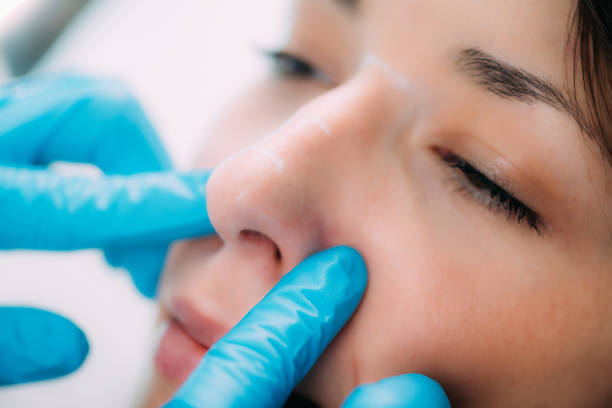
Rhinoplasty can improve the appearance of the nose, correct certain structural concerns, and help address breathing difficulties. However, some patients remain dissatisfied with their results or experience functional problems after their initial surgery. In these situations, revision rhinoplasty may be considered to address concerns that were not fully resolved or that developed during the healing process. Patients researching Rhinoplasty in Riyadh (عملية تجميل الانف في الرياض) should understand what revision surgery involves, when it may be necessary, and why careful evaluation is essential before undergoing another procedure.
Revision rhinoplasty is generally more complex than primary rhinoplasty because the nose has already undergone surgical changes. Scar tissue, altered cartilage, and changes in structural support can make further correction challenging. Not every imperfection requires another operation, and the final outcome of the first surgery may take many months to become clear. A qualified surgeon can evaluate the nose, identify the cause of the concern, and determine whether revision surgery or a non-surgical approach is appropriate.
What Is Revision Rhinoplasty?
Revision rhinoplasty, also called secondary rhinoplasty, is a surgical procedure performed to modify or correct the results of a previous nose surgery. It may address cosmetic concerns, breathing difficulties, structural problems, or a combination of these issues.
How Revision Rhinoplasty Differs From Primary Rhinoplasty
Primary rhinoplasty is performed on a nose that has not previously undergone surgical reshaping. Revision rhinoplasty involves working with tissues that may have been altered by an earlier operation. The surgeon may need to account for scar tissue, reduced cartilage availability, weakened support structures, or changes in the nasal framework.
Because of these factors, revision surgery often requires more detailed planning and specialized surgical experience. The appropriate technique depends on the patient's anatomy, previous procedure, healing history, and treatment goals.
What Can Revision Rhinoplasty Address?
Revision rhinoplasty may be used to correct persistent asymmetry, irregularities along the nasal bridge, changes in the nasal tip, structural weakness, or breathing problems that remain after the first operation. It may also address deformities that become apparent as swelling subsides and the tissues settle.
The goal is to improve the specific problem while maintaining stable nasal support and protecting breathing function.
When Is Revision Rhinoplasty Needed?
Revision surgery may be appropriate when a patient has a significant concern that cannot be adequately managed without another procedure. The decision should be based on a professional assessment rather than appearance alone.
Unsatisfactory Cosmetic Results
Some patients may remain concerned about the shape, size, or symmetry of their nose after healing. Examples include a bridge that appears uneven, a nasal tip that looks overly narrow or asymmetrical, or a contour that does not match the agreed surgical goals.
Small differences are common in facial anatomy, and perfect symmetry is rarely possible. Before considering another operation, the surgeon should determine whether the concern reflects a structural issue, normal healing, or an expectation that needs further discussion.
Persistent Breathing Difficulties
Breathing problems can sometimes continue after rhinoplasty if the original obstruction was not fully corrected or if the surgery affected nasal support. Narrowing of the nasal valve, scar tissue, or structural changes may contribute to ongoing obstruction.
A specialist should investigate the cause before recommending revision surgery because allergies, inflammation, and other conditions may also cause nasal congestion. Additional surgery is most appropriate when a correctable structural problem has been identified.
Structural Changes During Healing
As swelling decreases and scar tissue develops, some nasal irregularities or support problems may become more noticeable. In other cases, the nose may change gradually after surgery. The timing and nature of these changes help the surgeon decide whether revision is necessary.
How Long Should You Wait Before Revision Rhinoplasty?
Timing is an important consideration because the nose needs sufficient time to heal before the results of the initial operation can be assessed reliably.
Allowing Swelling to Subside
Swelling can conceal the final nasal shape for many months, particularly around the tip. Early unevenness or fullness does not necessarily indicate a permanent problem. Patients are commonly advised to wait approximately 12 months before elective revision, although the appropriate timeline varies with the procedure and individual healing.
When Earlier Assessment May Be Necessary
Significant breathing difficulties, signs of infection, severe pain, or other concerning symptoms should be assessed promptly rather than waiting for the routine revision timeline. A healthcare professional can determine whether the issue requires immediate treatment or can be monitored during recovery.
Why Patience Matters
Operating before the tissues have stabilized can make it harder to assess the final result and may increase surgical complexity. Unless there is a medical reason for earlier intervention, allowing adequate healing generally supports more informed planning.
What Happens During Revision Rhinoplasty?
Revision rhinoplasty begins with a comprehensive assessment of the existing nasal structure and the patient's concerns. The surgical approach is tailored to the specific problem rather than following one standard technique.
Consultation and Nasal Assessment
The surgeon reviews the patient's surgical history, recovery experience, breathing symptoms, and desired changes. An examination of the external nose and internal nasal passages helps identify structural irregularities and assess airway function. Previous surgical records may also be helpful when available.
Correcting Nasal Structure
Depending on the findings, the surgeon may reshape selected areas of cartilage or bone, refine the nasal tip, correct asymmetry, or improve support for the nasal airway. In some cases, additional cartilage is needed to rebuild or reinforce the nasal framework.
Cartilage Grafting When Necessary
When the nose lacks sufficient supporting cartilage, grafts may be used to strengthen or reshape specific areas. Cartilage can sometimes be obtained from the nasal septum, ear, or, in selected cases, another suitable source. The choice depends on the amount of material required and the patient's anatomy.
Patients considering Rhinoplasty in Riyadh should discuss the expected surgical approach, possible grafting requirements, limitations, and recovery with their surgeon before making a decision.
What Are the Risks of Revision Rhinoplasty?
Revision rhinoplasty carries risks similar to those of primary rhinoplasty, but the procedure may be more challenging because of previous surgical changes. Potential complications include bleeding, infection, scarring, persistent asymmetry, changes in sensation, breathing difficulties, and dissatisfaction with the result.
Scar tissue and reduced cartilage availability can limit the extent of correction. Even with careful planning, the outcome cannot be guaranteed, and some patients may continue to have minor irregularities. Choosing a qualified surgeon with appropriate experience in revision procedures and following postoperative instructions can help support safer care.
What Is Recovery Like After Revision Rhinoplasty?
Recovery varies according to the complexity of the operation and whether structural reconstruction is required. Swelling, bruising, congestion, and temporary discomfort are common during the early stages. More complex revisions may involve a longer recovery period than the original procedure.
Patients should protect the nose from impact, avoid strenuous exercise until cleared, follow wound-care instructions, and attend scheduled follow-up appointments. The visible shape continues to refine as swelling subsides, and the final result may take a year or longer to assess.
Book a Consultation at Royal Clinic Saudia
If you are concerned about the appearance or function of your nose after previous surgery, a professional evaluation can help you understand your options. Royal Clinic Saudia () can help you discuss your concerns, review possible treatment approaches, and understand the considerations involved in revision procedures. Schedule a consultation to explore whether Rhinoplasty in Riyadh may be suitable for your individual needs.
FAQs:
Is revision rhinoplasty more difficult than the first rhinoplasty?
Revision rhinoplasty is often more complex because scar tissue, altered cartilage, and changes in nasal support can make the procedure more challenging. The level of difficulty depends on the previous surgery and the correction required.
How soon can I have revision rhinoplasty?
Many surgeons recommend waiting approximately 12 months after the initial surgery so swelling can subside and the tissues can stabilize. However, the appropriate timing depends on individual healing and whether a medical concern requires earlier assessment.
Can revision rhinoplasty improve breathing?
Yes, it may improve breathing when symptoms are caused by a correctable structural problem, such as nasal valve narrowing or weakened support. A detailed examination is necessary to identify the cause of the obstruction.
Will revision rhinoplasty guarantee the results I want?
No surgical procedure can guarantee a specific result. Revision rhinoplasty may improve the identified concern, but outcomes depend on nasal anatomy, scar tissue, available cartilage, healing, and the complexity of the correction. Realistic expectations and thorough consultation are essential.