A bulbous nose is characterized by a rounded, broad, or less-defined nasal tip. This appearance can result from the shape and size of the lower nasal cartilages, thicker skin, or the amount of soft tissue around the tip. Although a bulbous nose is a natural variation in nasal anatomy, some people choose to explore treatment options to achieve greater definition and facial balance.
Rhinoplasty can help reshape the nasal tip and improve its proportions when the underlying anatomy allows. People considering Rhinoplasty in Riyadh should understand that the best treatment depends on their skin thickness, cartilage structure, nasal function, and aesthetic goals. A qualified surgeon can explain which options are suitable and what results may realistically be achieved.
What Causes a Bulbous Nose?
A bulbous nasal tip can develop for several reasons, and more than one factor may contribute to its appearance.
1. Broad or Rounded Cartilage
The lower lateral cartilages help shape and support the nasal tip. If these cartilages are naturally wide, rounded, or positioned in a way that creates fullness, the tip may appear bulbous.
2. Thick Nasal Skin
Thicker skin and underlying soft tissue can make the nasal tip look fuller and hide some of the definition created by the cartilage. This can influence the degree of refinement achievable through surgery.
3. Natural Facial Anatomy
Genetics and normal variations in facial structure can influence the width and shape of the nose. A rounded tip does not necessarily indicate a medical problem or require treatment.
4. Previous Nasal Surgery
In some cases, the tip may remain broad or become irregular after an earlier procedure. Revision treatment may be considered if a structural concern persists after adequate healing.
What Is Rhinoplasty for a Bulbous Nose?
Rhinoplasty for a bulbous nose focuses on reshaping the nasal tip to create a more defined appearance while maintaining appropriate support and breathing function. The surgeon assesses the underlying cartilage, skin thickness, nostril shape, and relationship between the tip and the nasal bridge.
The goal is not simply to make the tip smaller. Excessive cartilage removal can weaken the nasal structure, create an unnatural appearance, or interfere with airflow. A carefully planned procedure aims to improve definition without compromising function.
Surgical Treatment Options for a Bulbous Nose
The appropriate technique depends on the cause of the rounded appearance and the changes required.
1. Tip Plasty
Tip plasty is a procedure focused primarily on reshaping the nasal tip rather than changing the entire nose. It may be suitable when the bridge is satisfactory but the tip appears broad, rounded, or insufficiently defined.
The surgeon may adjust the position or shape of the lower nasal cartilages. Whether tip plasty alone is appropriate depends on the patient's anatomy and whether changes to other parts of the nose are also needed.
2. Cartilage Reshaping
Cartilage reshaping can help improve tip definition by changing the shape, position, or relationship of the supporting cartilages. Sutures may be used to bring cartilage into a more refined configuration while preserving structural stability.
The technique is selected according to the strength and shape of the existing cartilage. Aggressive removal is generally avoided because the cartilage provides essential support for both appearance and airflow.
3. Cartilage Grafting
Some patients need additional support to improve the tip's shape or maintain its position. In these cases, the surgeon may use a cartilage graft, often taken from the nasal septum or another suitable source.
Grafting may help create definition or reinforce weakened structures. It is not necessary for every patient, and its use depends on the specific surgical plan.
4. Open Rhinoplasty
Open rhinoplasty involves a small incision across the columella, the strip of tissue between the nostrils, along with incisions inside the nose. It gives the surgeon a direct view of the nasal framework.
This approach may be helpful when detailed cartilage reshaping, significant tip adjustments, or structural reconstruction is required. A small external scar may remain, but it often becomes less noticeable as healing progresses.
5. Closed Rhinoplasty
Closed rhinoplasty uses incisions inside the nostrils. It may be suitable for selected patients whose nasal tip concerns can be addressed effectively through internal access.
This technique avoids an external columellar incision, but it does not automatically mean a shorter recovery or better result. The surgeon should select the approach that provides suitable access for the planned changes.
Can Nonsurgical Treatments Fix a Bulbous Nose?
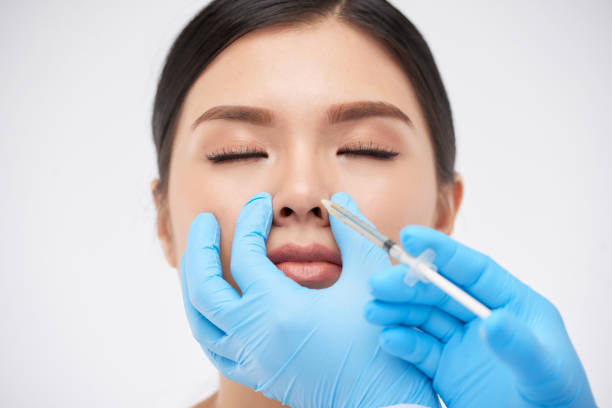
Nonsurgical rhinoplasty using dermal fillers can sometimes camouflage minor contour irregularities or improve the appearance of certain nasal angles. However, fillers add volume rather than remove tissue, so they generally cannot reduce the width or bulk of a bulbous nasal tip.
Injectable treatments in the nose also carry important risks, including vascular blockage, skin injury, and, rarely, vision-threatening complications. They should only be considered after a careful assessment by a suitably qualified medical professional.
Creams, massage, and facial exercises cannot reliably reshape nasal cartilage or permanently reduce a naturally bulbous tip. Patients should be cautious of treatments advertised as permanent alternatives to surgery without credible evidence.
How Does Skin Thickness Affect the Results?
Skin thickness is an important factor in nasal tip surgery. Patients with thinner skin may show cartilage changes more clearly, including small irregularities. Thicker skin can soften the appearance of the underlying framework and may limit how sharply defined the tip becomes.
For patients with thicker nasal skin, the surgeon may recommend a more conservative plan and explain that improvement in definition can be gradual and limited. Removing excessive cartilage to compensate for thick skin can create structural problems and is not an appropriate solution.
Patients researching Rhinoplasty in Riyadh should discuss skin thickness and the realistic level of tip refinement during their consultation.
Recovery After Bulbous Nose Rhinoplasty
After surgery, swelling, bruising, tenderness, and temporary nasal congestion are common. Many patients can return to some daily activities within one to two weeks, depending on the extent of the procedure and their individual recovery.
Nasal tip swelling can persist longer than swelling in other areas of the nose. The final contour may take a year or longer to become clear, particularly in patients with thicker skin.
Following the surgeon's instructions is essential. Patients should protect the nose from impact, avoid strenuous activity until cleared, take medication only as directed, and attend scheduled follow-up visits.
Risks and Considerations
Like other surgical procedures, rhinoplasty carries risks such as bleeding, infection, anesthesia-related complications, scarring, asymmetry, persistent swelling, dissatisfaction, and changes in nasal breathing. Some patients may require additional surgery, although revision cannot guarantee a perfect result.
A consultation should include a discussion of the expected benefits, possible complications, alternatives, and limitations. The surgeon should also assess whether the proposed changes will preserve adequate nasal support.
Consultation at Royal Clinic Saudia
Choosing a treatment for a bulbous nose begins with understanding the cause of the rounded appearance and the degree of refinement that is realistically possible. At , patients considering Rhinoplasty in Riyadh can arrange a consultation to discuss nasal tip shape, skin thickness, surgical techniques, recovery, and potential risks. A personalized assessment helps determine whether tip plasty, full rhinoplasty, or another option is appropriate.
FAQs:
Can rhinoplasty make a bulbous nose smaller?
Rhinoplasty can often reduce the apparent width or roundness of the nasal tip by reshaping the supporting cartilage. The extent of improvement depends on skin thickness, cartilage structure, and individual healing.
Is tip plasty enough for a bulbous nose?
Tip plasty may be suitable when the main concern is limited to the nasal tip. If the bridge, nostrils, or other structures also need adjustment, a more comprehensive procedure may be recommended.
Does a bulbous nose always require surgery?
No. A bulbous tip is a normal anatomical variation and does not need treatment unless a person chooses to pursue it or has a related functional concern. Nonsurgical fillers generally cannot reduce nasal bulk.
How long does it take to see the final results?
Initial swelling usually improves over several weeks, but the nasal tip can remain swollen for months. Final refinement may take a year or longer, depending on the surgical technique and the patient's healing response.