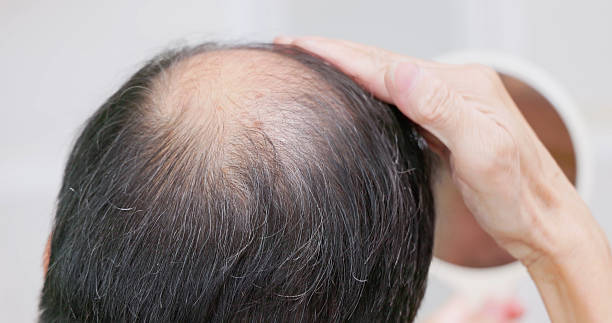
Hair thinning and hair loss can be approached in different ways depending on the cause, severity, and condition of the existing follicles. Two commonly discussed options are platelet-rich plasma therapy and hair transplantation. PRP Hair Treatment in Riyadh focuses on supporting existing hair follicles, while a hair transplant involves moving hair follicles from one area of the scalp to another.
Understanding the difference between these approaches can help people recognize which treatment addresses their particular hair-loss concerns. PRP Hair Treatment in Riyadh may be considered when follicles are still active but producing thinner or weaker strands, whereas transplantation is generally designed to add follicles to areas where greater hair coverage is needed.
What Is PRP Hair Treatment?
PRP stands for platelet-rich plasma. During the treatment, a small sample of the patient's blood is collected and processed to concentrate platelets and other components. The prepared plasma is then injected into selected areas of the scalp.
The goal is to support the environment around existing hair follicles and encourage healthier hair growth. Because PRP works with follicles that are already present, the condition and activity of those follicles are important factors when considering treatment.
How PRP Works
After the blood sample is processed, the platelet-rich portion is administered through multiple small injections in areas affected by thinning. The treatment is designed to provide localized support rather than physically adding new follicles to the scalp.
Who May Consider PRP?
PRP may be considered by people with early or moderate thinning who still have viable follicles. It can be discussed for certain patterns of hair loss, including thinning around the crown, top of the scalp, or other areas where existing hair has become less dense.
What Is a Hair Transplant?
A hair transplant is a surgical hair-restoration procedure that moves hair follicles from a donor area, commonly the back or sides of the scalp, to areas experiencing significant thinning or hair loss.
The transplanted follicles are placed into carefully planned recipient areas. Once established, these follicles can continue producing hair according to their characteristics.
Adding Hair Follicles
One of the main differences between transplantation and PRP is that transplantation physically relocates follicles. This can make it suitable for areas where existing hair density is insufficient and additional follicles are needed.
Surgical Considerations
Because a hair transplant is a surgical procedure, it involves a more extensive treatment process than injections. The specific technique, number of grafts, donor supply, and recipient area are assessed during consultation.
PRP vs Hair Transplant: The Main Difference
The central distinction is how each treatment addresses hair loss. PRP aims to support follicles that already exist, while transplantation moves follicles from one part of the scalp to another.
PRP Supports Existing Hair
PRP does not create new follicles. Its purpose is to support existing follicles that may have become weakened or produce finer strands.
Transplantation Adds Follicles to Thinning Areas
A hair transplant uses follicles from a donor region and places them into areas requiring greater coverage. This makes it fundamentally different from a regenerative injection treatment.
Which Treatment May Be Considered for Thinning Hair?
The appropriate option depends on the pattern and extent of hair loss. Someone with relatively early thinning and active follicles may discuss PRP as one potential approach, while someone with areas of more advanced hair loss may be evaluated for transplantation.
A professional scalp assessment is important because similar-looking hair loss can have different causes. The clinician can evaluate follicle condition, donor hair availability, scalp health, and the progression of thinning.
Recovery Differences
Recovery can differ considerably between the two approaches. PRP generally involves minimal downtime, although temporary tenderness, redness, swelling, or sensitivity may occur around injection sites.
Hair transplantation requires recovery from a surgical procedure. Patients may experience temporary scalp changes during the healing process and receive detailed aftercare instructions to protect the transplanted follicles.
Returning to Normal Activities
The timeline for returning to everyday activities depends on the treatment performed and the individual's recovery. PRP usually allows a relatively quick return to normal routines, while transplant patients may need to follow more specific restrictions during the early healing period.
How Long Do Results Take?
Neither approach produces instant full hair growth. Hair develops through a natural growth cycle, so visible changes can take time.
With PRP, improvements may develop gradually as existing follicles respond. With transplantation, newly transplanted follicles also require time to progress through their growth cycle before the final appearance becomes clear.
Results Depend on Individual Factors
The outcome of either approach can be influenced by the cause of hair loss, follicle condition, age, genetics, scalp health, and adherence to aftercare instructions. A consultation can provide a more realistic understanding of what each option may achieve.
Can PRP and Hair Transplant Be Combined?
In some treatment plans, PRP and hair transplantation may be considered together. Because they work in different ways, a clinician may evaluate whether PRP could provide additional support for existing or transplanted follicles.
However, combining treatments is not appropriate for everyone. The decision should be based on the individual's hair-loss pattern, scalp condition, medical history, and restoration goals.
Book an Appointment
Choosing between regenerative treatment and surgical hair restoration starts with understanding the cause and extent of hair loss. Contact Royal Clinic Saudia for a professional consultation to discuss your scalp condition and explore the options that may be appropriate for you.
FAQs
Is PRP better than a hair transplant?
PRP and hair transplantation serve different purposes. PRP supports existing follicles, while transplantation relocates follicles to areas that need additional coverage. The appropriate option depends on the individual's hair-loss pattern and follicle condition.
Can PRP replace a hair transplant?
PRP cannot physically add new hair follicles to areas where follicles are absent. It may be considered for supporting existing follicles, while transplantation is designed to introduce follicles into areas with insufficient density.
Can PRP be used after a hair transplant?
PRP may be considered as part of a post-transplant hair-care plan in some cases. Whether it is appropriate depends on the individual's scalp condition and treatment plan.
How do I know which treatment is suitable for me?
A professional evaluation can assess the cause and stage of hair loss, existing follicle condition, scalp health, and available donor hair. These factors can help determine whether PRP, transplantation, or another approach should be discussed.